
Manalapan
(732) 845-0100

Hormone Changes and Additional Weight May Affect the Feet

Research has indicated the feet may undergo changes as pregnancy develops. Many pregnant women notice a loss of arches in their feet, and this may be indicative of flat feet. This can be a result of the weight of the growing fetus, and hormone changes may play a significant role. It is common for the feet to become swollen, and this typically occurs in the second and third trimesters. Moderate relief can be obtained when the feet are elevated for frequent periods of time throughout the day. Additionally, it may be beneficial to reduce excess salt intake, and it can be helpful to drink plenty of water daily. If you would like more information about how pregnancy can affect the feet, it is suggested that you schedule a consultation with a podiatrist.

Pregnant women with swollen feet can be treated with a variety of different methods that are readily available. For more information about other cures for swollen feet during pregnancy, consult with Dr. Charles Marchese from Manalapan Foot & Ankle. Our doctor will attend to all of your foot and ankle needs.

What Foot Problems Can Arise During Pregnancy?

One problem that can occur is overpronation, which occurs when the arch of the foot flattens and tends to roll inward.  This can cause pain and discomfort in your heels while you’re walking or even just standing up, trying to support your baby.  

Another problem is edema, or swelling in the extremities. This often affects the feet during pregnancy but tends to occur in the later stages. 

How Can I Keep My Feet Healthy During Pregnancy?

  • Wearing orthotics can provide extra support for the feet and help distribute weight evenly
  • Minimize the amount of time spent walking barefoot
  • Wear shoes with good arch support
  • Wear shoes that allow for good circulation to the feet
  • Elevate feet if you experience swelling
  • Massage your feet
  • Get regular, light exercise, such as walking, to promote blood circulation to the feet

If you have any questions, please feel free to contact our office located in Manalapan, NJ . We offer the newest diagnostic and treatment technologies for all your foot care needs.
Read more about Pregnancy and Foot Health

Is Gout Caused By Specific Foods?

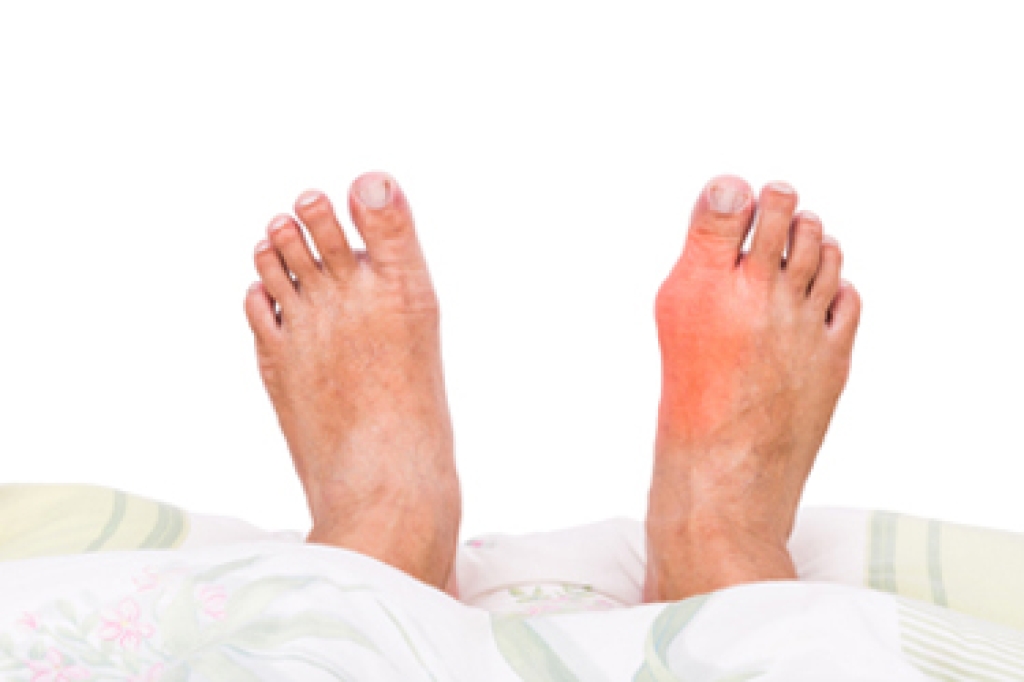
The medical condition that is referred to as gout is often accompanied by severe pain and discomfort. The joint in the big toe is typically affected, and common symptoms include redness, tenderness, and difficulty in moving the toe. Many patients experience signs of gout suddenly without warning, and it frequently happens at night. This condition is caused by excess uric levels that are in the bloodstream, and may occur from specific foods that are eaten. These can include foods that have elevated levels of purines which may produce crystals that lodge in the joints of the big toe. Mild relief may be found from this debilitating pain by taking anti-inflammatory medication. Additionally, it is helpful to incorporate healthy eating habits into your daily routine, and this may prevent severe gout attacks from occurring in the future. If you are afflicted with gout, it is strongly advised that you consult with a podiatrist who can help you to manage these attacks.

Gout is a painful condition that can be treated. If you are seeking treatment, contact Dr. Charles Marchese from Manalapan Foot & Ankle. Our doctor will treat your foot and ankle needs.

What Is Gout?

Gout is a form of arthritis that is characterized by sudden, severe attacks of pain, redness, and tenderness in the joints. The condition usually affects the joint at the base of the big toe. A gout attack can occur at any random time, such as the middle of the night while you are asleep.

Symptoms

  • Intense Joint Pain - Usually around the large joint of your big toe, and it most severe within the first four to twelve hours
  • Lingering Discomfort - Joint discomfort may last from a few days to a few weeks
  • Inflammation and Redness -Affected joints may become swollen, tender, warm and red
  • Limited Range of Motion - May experience a decrease in joint mobility

Risk Factors

  • Genetics - If family members have gout, you’re more likely to have it
  • Medications - Diuretic medications can raise uric acid levels
  • Gender/Age - Gout is more common in men until the age of 60. It is believed that estrogen protects women until that point
  • Diet - Eating red meat and shellfish increases your risk
  • Alcohol - Having more than two alcoholic drinks per day increases your risk
  • Obesity - Obese people are at a higher risk for gout

Prior to visiting your podiatrist to receive treatment for gout, there are a few things you should do beforehand. If you have gout you should write down your symptoms--including when they started and how often you experience them, important medical information you may have, and any questions you may have. Writing down these three things will help your podiatrist in assessing your specific situation so that he or she may provide the best route of treatment for you.

If you have any questions, please feel free to contact our office located in Manalapan, NJ . We offer the newest diagnostic and treatment technologies for all your foot care needs.

Read more about Everything You Need to Know About Gout

Certain Medical Conditions May Cause Hammertoe

A hammertoe is considered to be a deformity of the foot. It is also referred to as a “contracted toe” and is most likely noticed on the second and third toes. In severe cases, it can resemble a hammer, because the middle joint in the second toe bends in a downward direction. This deformity can happen for a variety of reasons. These can include having high arches, wearing shoes that do not have adequate room for the toes to move freely in, and prior toe injuries. Additionally, medical conditions such as arthritis and bunions may play a significant role in developing hammertoe. Mild relief can be found when the toes are gently stretched and wiggled, and it can help to wear shoes that have ample room in the toe area. Patients with a severe case of hammertoe may choose surgery, which can permanently straighten the toe. If you are afflicted with this condition, it is advised that you seek the counsel of a podiatrist who can guide you toward proper treatment options.

Hammertoes can be a painful condition to live with. For more information, contact Dr. Charles Marchese of Manalapan Foot & Ankle. Our doctor will answer any of your foot- and ankle-related questions.

Hammertoe

Hammertoe is a foot deformity that occurs due to an imbalance in the muscles, tendons, or ligaments that normally hold the toe straight. It can be caused by the type of shoes you wear, your foot structure, trauma, and certain disease processes.

Symptoms

  • Painful and/or difficult toe movement
  • Swelling
  • Joint stiffness
  • Calluses/Corns
  • Physical deformity

Risk Factors

  • Age – The risk of hammertoe increases with age
  • Sex – Women are more likely to have hammertoe compared to men
  • Toe Length – You are more likely to develop hammertoe if your second toe is longer than your big toe
  • Certain Diseases – Arthritis and diabetes may make you more likely to develop hammertoe

Treatment

If you have hammertoe, you should change into a more comfortable shoe that provides enough room for your toes. Exercises such as picking up marbles may strengthen and stretch your toe muscles. Nevertheless, it is important to seek assistance from a podiatrist in order to determine the severity of your hammertoe and see which treatment option will work best for you.

If you have any questions, please feel free to contact our office located in Manalapan, NJ . We offer the newest diagnostic and treatment technologies for all your foot care needs.

Read more about Hammertoe

What Is A Podiatrist?

If you are experiencing an ailment that is related to the feet, you would most likely seek the professional advice of a podiatrist. This type of physician’s expertise is in the care of the feet and ankles, and many podiatrists can perform foot and ankle surgery. People that choose this type of profession will typically complete three years of residency training, preceded by obtaining a bachelor's degree. Podiatrists have the choice to own or be a part of an office practice, or to specialize in specific types of foot surgery. Additionally, podiatrists have the ability to create custom made orthotics which may be beneficial in correcting certain foot ailments. If you are interested in pursuing podiatry as a career choice, it is strongly suggested that you speak to a podiatrist who can address any concerns you may have.

If you are experiencing pain in the feet or ankles, don’t join the stubborn majority refusing treatment. Feel free to contact Dr. Charles Marchese from Manalapan Foot & Ankle. Our doctor can provide the care you need to keep you pain-free and on your feet.

What Is a Podiatrist?

Someone would seek the care of a podiatrist if they have suffered a foot injury or have common foot ailments such as heal spurs, bunions, arch problems, deformities, ingrown toenails, corns, foot and ankle problems, etc.

Podiatric Treatment

A podiatrist will treat the problematic areas of the feet, ankle or lower leg by prescribing the following:

  • Physical therapy
  • Drugs
  • Orthotic inserts or soles
  • Surgery on lower extremity fractures

A common podiatric procedure a podiatrist will use is a scanner or force plate which will allow the podiatrist to know the designs of orthotics. Patients are then told to follow a series of tasks to complete the treatment. The computer will scan the foot a see which areas show weight distribution and pressure points. The podiatrist will read the analysis and then determine which treatment plans are available.

If you have any questions, please feel free to contact our office located in Manalapan, NJ . We offer the newest diagnostic and treatment technologies for all your foot care needs.

Read more about What is a Podiatrist?

Do Your Child's Feet Hurt?

Have your child's feet been examined lately? Healthy feet are happy feet. If your child is complaining of foot pain, it may be a sign of underlying problems.