



Gout is a painful, inflammatory form of arthritis. Those affected will typically feel an intense stiffness in the joints of their feet, particularly in the big toe. Schedule a visit to learn about how gout can be managed and treated.

Gout is a painful, inflammatory form of arthritis. Those affected will typically feel an intense stiffness in the joints of their feet, particularly in the big toe. Schedule a visit to learn about how gout can be managed and treated.
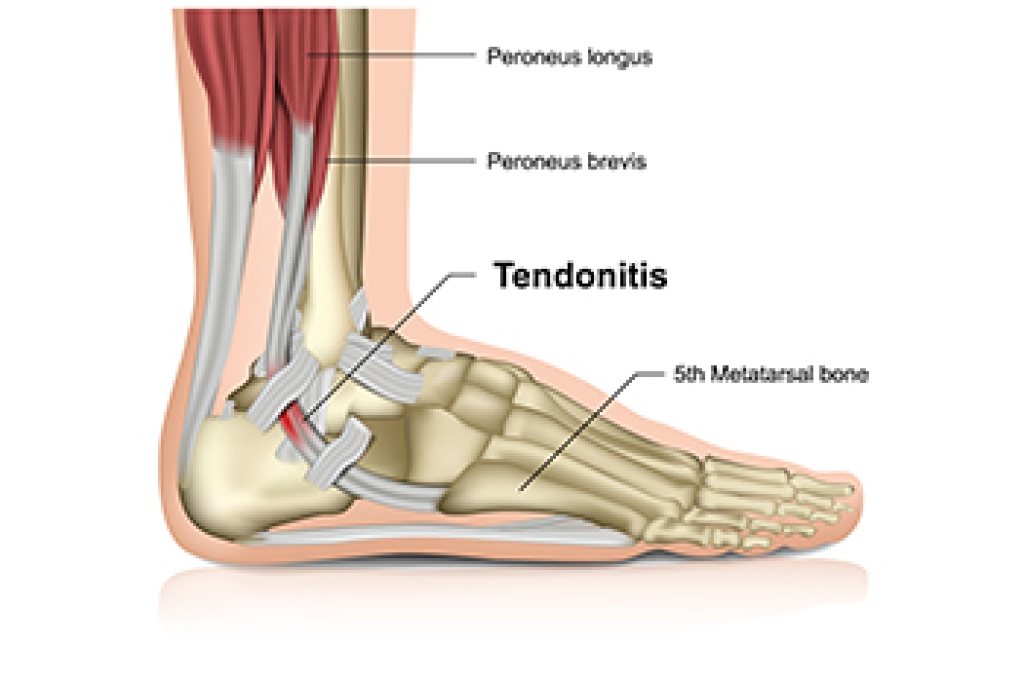
Achilles tendon injuries are a frequent concern, particularly among runners, with Achilles tendonitis accounting for about 10 percent of running injuries. This condition involves inflammation of the tendon at the back of the ankle that connects the calf muscles to the ankle. Symptoms of Achilles tendonitis can include pain in the heel and along the tendon when walking or running. It also may become tender to touch. In severe cases, a foot brace may be required. Exercises, such as slowly lowering yourself onto the injured foot from the edge of a step, are particularly effective. Despite its vulnerability, the Achilles tendon is the strongest in the body and, with appropriate care, can remain healthy. Recognizing early stiffness and taking preventive measures can also prevent the condition from becoming more serious. If you have injured your Achilles tendon, it is suggested that you schedule an appointment with a podiatrist for an exam, diagnosis, and treatment options.
Achilles tendon injuries need immediate attention to avoid future complications. If you have any concerns, contact Dr. Charles Marchese of Manalapan Foot & Ankle. Our doctor can provide the care you need to keep you pain-free and on your feet.
What Is the Achilles Tendon?
The Achilles tendon is a tendon that connects the lower leg muscles and calf to the heel of the foot. It is the strongest tendon in the human body and is essential for making movement possible. Because this tendon is such an integral part of the body, any injuries to it can create immense difficulties and should immediately be presented to a doctor.
What Are the Symptoms of an Achilles Tendon Injury?
There are various types of injuries that can affect the Achilles tendon. The two most common injuries are Achilles tendinitis and ruptures of the tendon.
Achilles Tendinitis Symptoms
Rupture Symptoms
Treatment and Prevention
Achilles tendon injuries are diagnosed by a thorough physical evaluation, which can include an MRI. Treatment involves rest, physical therapy, and in some cases, surgery. However, various preventative measures can be taken to avoid these injuries, such as:
If you have any questions please feel free to contact our office located in Manalapan, NJ . We offer the newest diagnostic tools and technology to treat your foot and ankle needs.
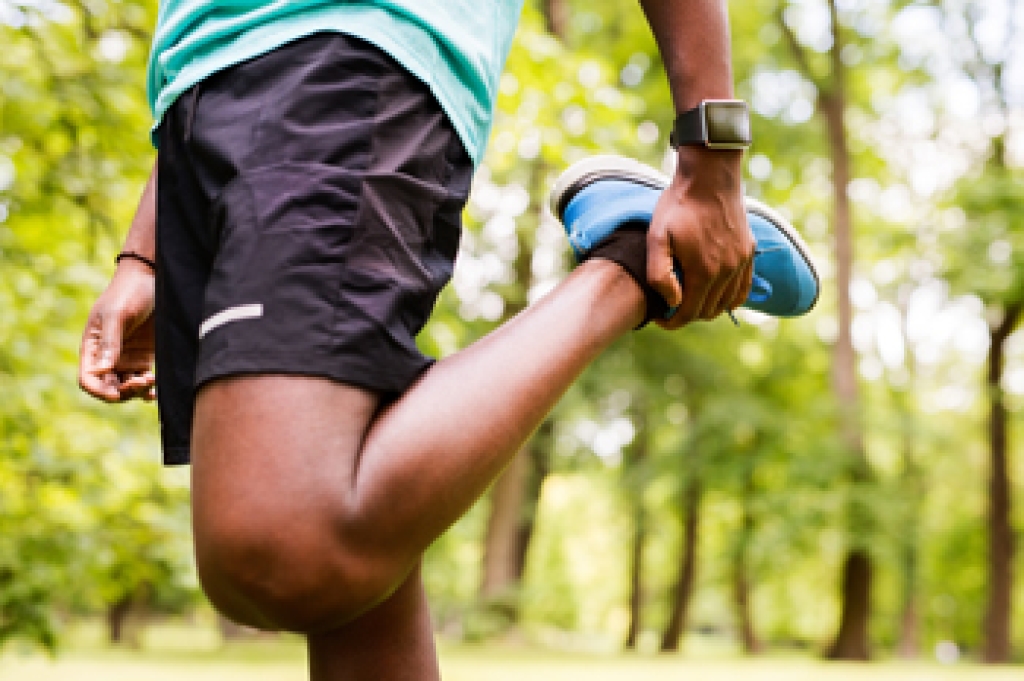
Preventing running injuries involves a combination of smart training techniques and maintaining overall strength. Gradually increasing mileage and intensity helps avoid overuse injuries by allowing the body to adapt to new demands. Incorporating rest days into the training schedule gives muscles time to recover and reduce fatigue. Strength training, especially for the core and lower body, enhances stability and reduces strain on joints. Proper warm-ups and cool-downs, including dynamic stretching, prepare the body for running and aid in recovery. Listening to the body and addressing any pain or discomfort promptly can prevent minor issues from becoming serious injuries. Wearing well-fitted, supportive footwear tailored to individual running styles also plays a crucial role. Foot and ankle injuries can be common and will hinder running ability. If you have sudden or chronic foot pain from running, it is suggested that you contact a podiatrist who can offer you effective treatment and running prevention injury methods.
All runners should take extra precaution when trying to avoid injury. If you have any concerns about your feet, contact Dr. Charles Marchese of Manalapan Foot & Ankle. Our doctor will treat your foot and ankle needs.
How to Prevent Running Injuries
There are a lot of mistakes a runner can make prior to a workout that can induce injury. A lot of athletes tend to overstretch before running, instead of saving those workouts for a post-run routine. Deep lunges and hand-to-toe hamstring pulls should be performed after a workout instead of during a warmup. Another common mistake is jumping into an intense routine before your body is physically prepared for it. You should try to ease your way into long-distance running instead of forcing yourself to rush into it.
More Tips for Preventing Injury
If you have any questions, please feel free to contact our office located in Manalapan, NJ . We offer the newest diagnostic and treatment technologies for all your foot care needs.
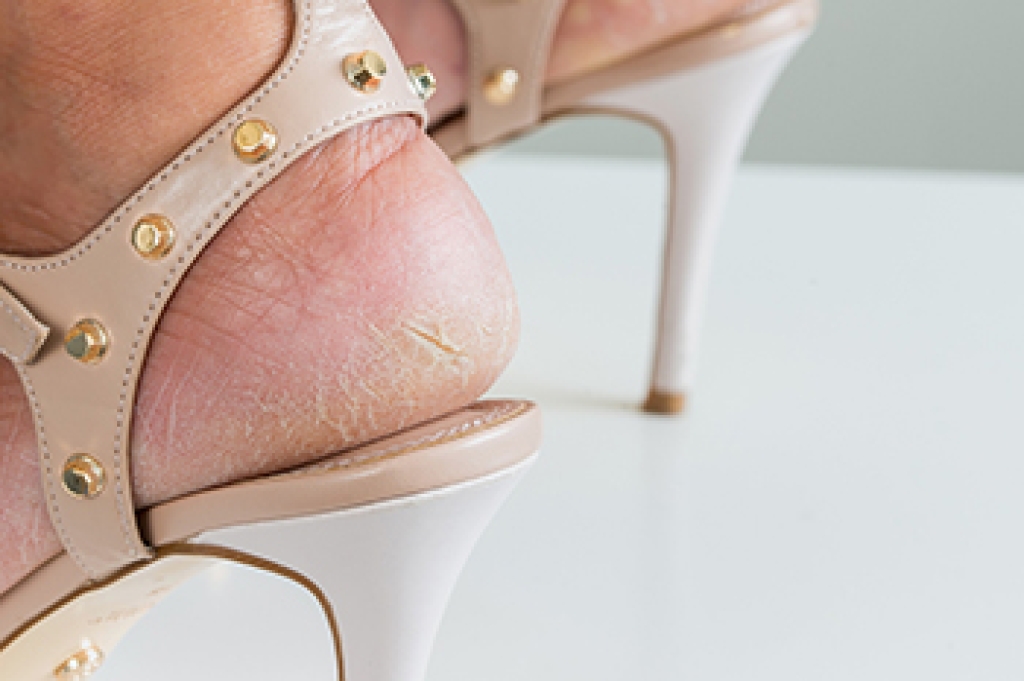
Cracked heels can often be more than just a cosmetic issue. They may signal an underlying health condition, such as a thyroid disorder. The thyroid gland plays a vital role in regulating metabolism, and its imbalance can impact skin health. Hypothyroidism, or an underactive thyroid gland, can lead to dry, thickened skin, which may appear as cracked heels. The reduced hormone levels affects the skin's ability to retain moisture, causing it to become rough and prone to fissures. Individuals with thyroid disorders might notice other symptoms like fatigue, weight gain, or hair loss as well as cracked heels. Maintaining good foot care, such as regular moisturizing and gentle exfoliation, is essential in managing and preventing cracked heels in those with thyroid issues. If you have cracked heels that are causing you pain and discomfort, it is suggested that you consult a podiatrist who can offer you effective relief remedies.
If the skin on your feet starts to crack, you may want to see a podiatrist to find treatment. If you have any concerns, contact Dr. Charles Marchese from Manalapan Foot & Ankle. Our doctor can provide the care you need to keep you pain-free and on your feet.
Cracked Heels
It is important to moisturize your cracked heels in order to prevent pain, bleeding, and infection. The reason cracked heels form is because the skin on the foot is too dry to support the immense pressure placed on them. When the foot expands, the dry skin on the foot begins to split.
Ways to Help Heal Them
Ways to Prevent Cracked Heels
If you are unsure how to proceed in treating cracked heels, seek guidance from a podiatrist. Your doctor will help you with any questions or information you may need.
If you have any questions, please feel free to contact our office located in Manalapan, NJ . We offer the newest diagnostic and treatment technologies for all your foot care needs.

Have you noticed a bony protrusion on the side of your big toe? If so, you may have developed the foot condition known as a bunion. Don't let bunions interfere with your daily activities.


Copyright © Manalapan Foot & Ankle | Site Map | Nondiscrimination | Design by: Podiatry Content Connection