
Manalapan
(732) 845-0100

Speeding up Recovery From an Ankle Sprain

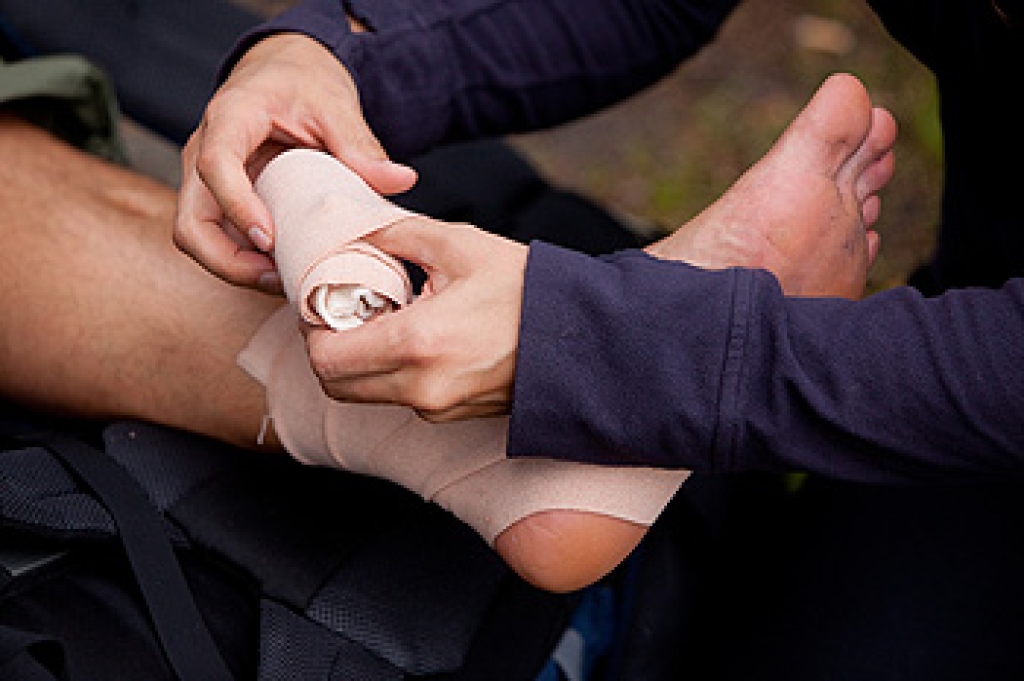
An ankle sprain can be a serious injury that can keep you off your feet. Symptoms of a sprained ankle include a popping or cracking sound at the time of injury, swelling, bruising, pain, and difficulty bearing weight. If you have sprained your ankle, there are certain things that you can do within the first 72 hours that may help to speed up your recovery. Protect the ankle by taping or bracing it, rest it by stopping any activities that cause pain in the ankle, ice the ankle for 20 minutes at a time several times per day, compress the ankle with a bandage to help reduce swelling, and elevate the ankle. It is also important to see a podiatrist, who can diagnose and treat your sprain to get you back on your feet as quickly as possible.

Although ankle sprains are common, they aren’t always minor injuries. If you need your ankle injury looked at, contact Dr. Charles Marchese from Manalapan Foot & Ankle. Our doctor can provide the care you need to keep you pain-free and on your feet.

How Does an Ankle Sprain Occur?

Ankle sprains are the result of a tear in the ligaments within the ankle. These injuries may happen when you make a rapid shifting movement while your foot is planted. A less common way to sprain your ankle is when your ankle rolls inward while your foot turns outward.

What Are the Symptoms?

  • Pain at the sight of the tear
  • Bruising/Swelling
  • Ankle area is tender to touch
  • In severe cases, may hear/feel something tear
  • Skin discoloration

Preventing a Sprain

  • Wearing appropriate shoes for the occasion
  • Stretching before exercises and sports
  • Knowing your limits

Treatment of a Sprain

In many cases, the RICE method (Rest, Ice, Compression, and Elevate) is used to treat ankle sprains. However, you should see a podiatrist to see which treatment option would work best with your injury. In severe cases, surgery may be required.

It is important to ask your doctor about rehab options after you receive treatment for your injury. Stretching, strength training, and balance exercises may help the ankle heal while also preventing further injury.

If you have any questions, please feel free to contact our office located in Manalapan, NJ . We offer the newest diagnostic and treatment technologies for all your foot care needs.

Read more about Ankle Sprains

Plantar Warts Can Be Treated!

Plantar warts are small growths that develop on parts of the feet that bear weight. They're typically found on the bottom of the foot. Don't live with plantar warts, and call us today!

How Are Heels Spurs Treated?

A small bone growth on the heel plate may be a heel spur. Heel spurs generally grow into the soft tissue of the foot, and often resemble a hook. Heel spurs can cause severe pain and discomfort. Traditional treatment methods can consist of performing gentle stretches which may help to loosen the surrounding tissue, in addition to taking anti-inflammatory medications. Relief may be found when the affected foot is rested and custom-made orthotics are worn. Massage therapy may be an alternative treatment approach, and this may be done by performing circular motions on the arch and surrounding areas. If you are afflicted with a heel spur, it is advised that you consult with a podiatrist who can determine what the best course of treatment is for you.

Heel spurs can be incredibly painful and sometimes may make you unable to participate in physical activities. To get medical care for your heel spurs, contact Dr. Charles Marchese from Manalapan Foot & Ankle. Our doctor will do everything possible to treat your condition.

Heels Spurs

Heel spurs are formed by calcium deposits on the back of the foot where the heel is. This can also be caused by small fragments of bone breaking off one section of the foot, attaching onto the back of the foot. Heel spurs can also be bone growth on the back of the foot and may grow in the direction of the arch of the foot.

Older individuals usually suffer from heel spurs and pain sometimes intensifies with age. One of the main condition's spurs are related to is plantar fasciitis.

Pain

The pain associated with spurs is often because of weight placed on the feet. When someone is walking, their entire weight is concentrated on the feet. Bone spurs then have the tendency to affect other bones and tissues around the foot. As the pain continues, the feet will become tender and sensitive over time.

Treatments

There are many ways to treat heel spurs. If one is suffering from heel spurs in conjunction with pain, there are several methods for healing. Medication, surgery, and herbal care are some options.

If you have any questions, please feel free to contact our office located in Manalapan, NJ . We offer the newest diagnostic and treatment technologies for all your foot care needs.

Read more about Heel Spurs

Foot Issues Caused by Diabetes

Diabetic patients are often aware of the potential foot ailments that can develop as a result of diabetes. Elevated blood sugar levels can lead to prolonged healing of foot wounds, which may evolve into serious complications. Many patients who have diabetes can experience neuropathy, and this can cause the inability to feel existing cuts, bruises, or wounds on the feet. Additional foot issues that diabetes can cause include painful tingling, discolored skin, and staining on your socks. It is strongly suggested that diabetic patients are under the regular care of a podiatrist who can properly manage this condition.

Diabetic foot care is important in preventing foot ailments such as ulcers. If you are suffering from diabetes or have any other concerns about your feet, contact Dr. Charles Marchese from Manalapan Foot & Ankle. Our doctor can provide the care you need to keep you pain-free and on your feet.

Diabetic Foot Care

Diabetes affects millions of people every year. The condition can damage blood vessels in many parts of the body, especially the feet. Because of this, taking care of your feet is essential if you have diabetes, and having a podiatrist help monitor your foot health is highly recommended.

The Importance of Caring for Your Feet

  • Routinely inspect your feet for bruises or sores.
  • Wear socks that fit your feet comfortably.
  • Wear comfortable shoes that provide adequate support.

Patients with diabetes should have their doctor monitor their blood levels, as blood sugar levels play such a huge role in diabetic care. Monitoring these levels on a regular basis is highly advised.

It is always best to inform your healthcare professional of any concerns you may have regarding your feet, especially for diabetic patients. Early treatment and routine foot examinations are keys to maintaining proper health, especially because severe complications can arise if proper treatment is not applied.

If you have any questions, please feel free to contact our office located in Manalapan, NJ . We offer the newest diagnostic and treatment technologies for all your foot care needs.

Read more about Diabetic Foot Care

Improved Household Conditions May Prevent Falling

Falling is a common occurrence among the elder population. The feet can be affected and can negatively impact completing daily activities. There are several protective measures that can be implemented, ranging from getting regular physical examinations to reducing hazards that may be present in the home. These can include removing worn carpets from the stairs and living environment, improving household lighting, and installing grab bars in the shower and toilet area. Additionally, frequently performing simple stretches can help the body to become stronger, and this may help to prevent falling episodes. For more information about how falling can affect the feet, please consult with a podiatrist who can guide you toward proper prevention techniques.

Preventing falls among the elderly is very important. If you are older and have fallen or fear that you are prone to falling, consult with Dr. Charles Marchese from Manalapan Foot & Ankle. Our doctor will assess your condition and provide you with quality advice and care.

Every 11 seconds, an elderly American is being treated in an emergency room for a fall related injury. Falls are the leading cause of head and hip injuries for those 65 and older. Due to decreases in strength, balance, senses, and lack of awareness, elderly persons are very susceptible to falling. Thankfully, there are a number of things older persons can do to prevent falls.

How to Prevent Falls

Some effective methods that older persons can do to prevent falls include:

  • Enrolling in strength and balance exercise program to increase balance and strength
  • Periodically having your sight and hearing checked
  • Discuss any medications you have with a doctor to see if it increases the risk of falling
  • Clearing the house of falling hazards and installing devices like grab bars and railings
  • Utilizing a walker or cane
  • Wearing shoes that provide good support and cushioning
  • Talking to family members about falling and increasing awareness

Falling can be a traumatic and embarrassing experience for elderly persons; this can make them less willing to leave the house, and less willing to talk to someone about their fears of falling. Doing such things, however, will increase the likelihood of tripping or losing one’s balance. Knowing the causes of falling and how to prevent them is the best way to mitigate the risk of serious injury.  

If you have any questions, please feel free to contact our office located in Manalapan, NJ . We offer the newest diagnostic and treatment technologies for all your foot care needs.

Read more about Falls Prevention