


Do you suffer from heel pain when you get up in the morning? If so, you should seek professional help and have a proper diagnosis performed. Heel pain can be caused by several different foot-related conditions.

Do you suffer from heel pain when you get up in the morning? If so, you should seek professional help and have a proper diagnosis performed. Heel pain can be caused by several different foot-related conditions.
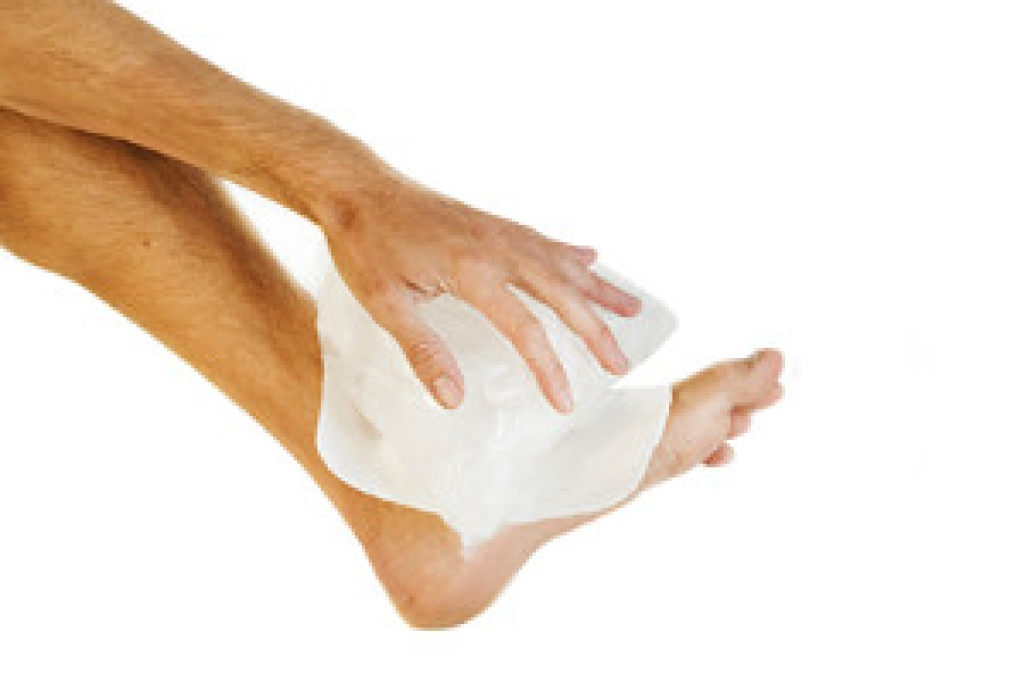
Foot pain can send ripples of discomfort through our daily activities, especially when it emanates from the bottom of the foot. This region, comprising muscles, tendons, and ligaments, is susceptible to various triggers. Plantar fasciitis, a common culprit, results from inflammation of the tissue connecting the heel to the toes. Strained arches or flat feet can lead to overuse injuries, causing discomfort along the sole of the foot. Morton's neuroma, a thickening of nerve tissue, can cause sharp pain between the toes. Excessive pressure, wearing ill-fitting footwear, or repetitive motions can contribute to this condition. Proper diagnosis by a podiatrist is essential in accurately pinpointing the cause. With tailored care and lifestyle adjustments, individuals can address the root of their discomfort. If you have pain on the bottom of your foot, it is strongly suggested that you are under the care of a podiatrist who can determine the cause and treat it accordingly.
Foot Pain
Foot pain can be extremely painful and debilitating. If you have a foot pain, consult with Dr. Charles Marchese from Manalapan Foot & Ankle. Our doctor will assess your condition and provide you with quality foot and ankle treatment.
Causes
Foot pain is a very broad condition that could be caused by one or more ailments. The most common include:
Diagnosis
To figure out the cause of foot pain, podiatrists utilize several different methods. This can range from simple visual inspections and sensation tests to X-rays and MRI scans. Prior medical history, family medical history, and any recent physical traumatic events will all be taken into consideration for a proper diagnosis.
Treatment
Treatment depends upon the cause of the foot pain. Whether it is resting, staying off the foot, or having surgery; podiatrists have a number of treatment options available for foot pain.
If you have any questions, please feel free to contact our office located in Manalapan, NJ . We offer the newest diagnostic and treatment technologies for all your foot care needs.
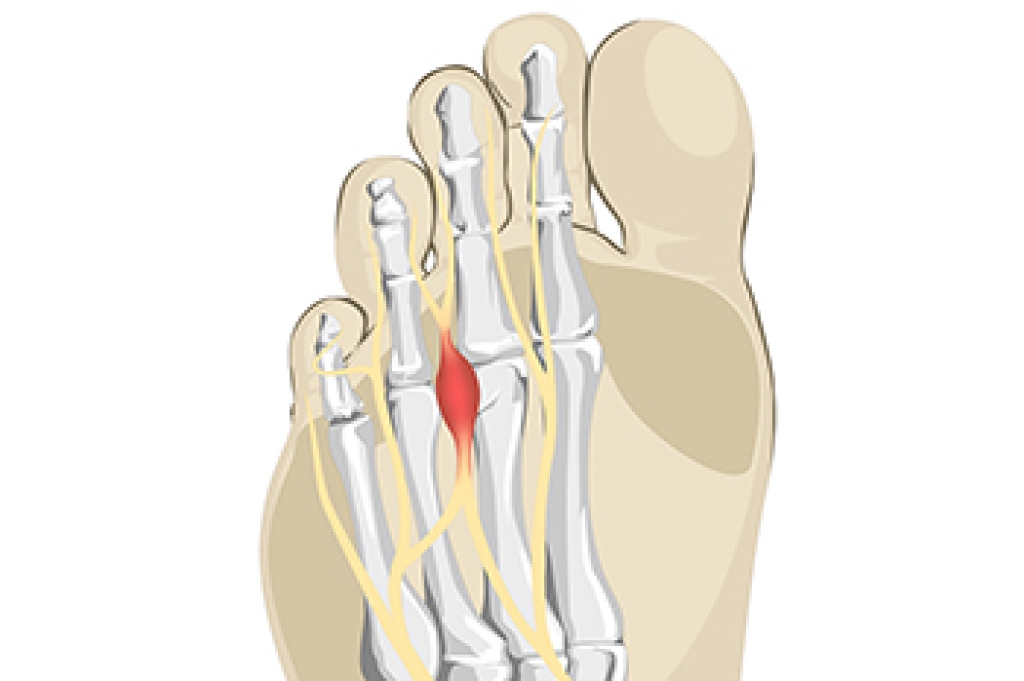
Morton's neuroma, a painful condition affecting the ball of the foot, can cast a shadow over daily activities. This ailment arises when tissue thickens between the third and fourth toes, causing discomfort and numbness. Wearing high heels, tight shoes, and repetitive foot stress are common contributors. Avoiding surgery is often a priority for many seeking relief. Embracing proper footwear is a pivotal step, and choosing shoes with ample toe space and cushioning can alleviate pressure on the affected area. Orthotic inserts can provide arch support, which can help to redistribute weight and reduce strain. Regularly massaging the foot, and taking anti-inflammatory medications can manage pain. It is beneficial to perform exercises that strengthen surrounding muscles and can aid in reducing symptoms. By adopting these strategies, individuals can potentially sidestep surgery and reclaim pain-free steps. If you have pain in this area of your foot, it is suggested that you consult a podiatrist who can offer you additional prevention techniques for Morton’s neuroma.
Morton’s neuroma is a very uncomfortable condition to live with. If you think you have Morton’s neuroma, contact Dr. Charles Marchese of Manalapan Foot & Ankle. Our doctor will attend to all of your foot care needs and answer any of your related questions.
Morton’s Neuroma
Morton's neuroma is a painful foot condition that commonly affects the areas between the second and third or third and fourth toe, although other areas of the foot are also susceptible. Morton’s neuroma is caused by an inflamed nerve in the foot that is being squeezed and aggravated by surrounding bones.
What Increases the Chances of Having Morton’s Neuroma?
Morton’s neuroma is a very treatable condition. Orthotics and shoe inserts can often be used to alleviate the pain on the forefront of the feet. In more severe cases, corticosteroids can also be prescribed. In order to figure out the best treatment for your neuroma, it’s recommended to seek the care of a podiatrist who can diagnose your condition and provide different treatment options.
If you have any questions, please feel free to contact our office located in Manalapan, NJ . We offer the newest diagnostic and treatment technologies for all your foot care needs.
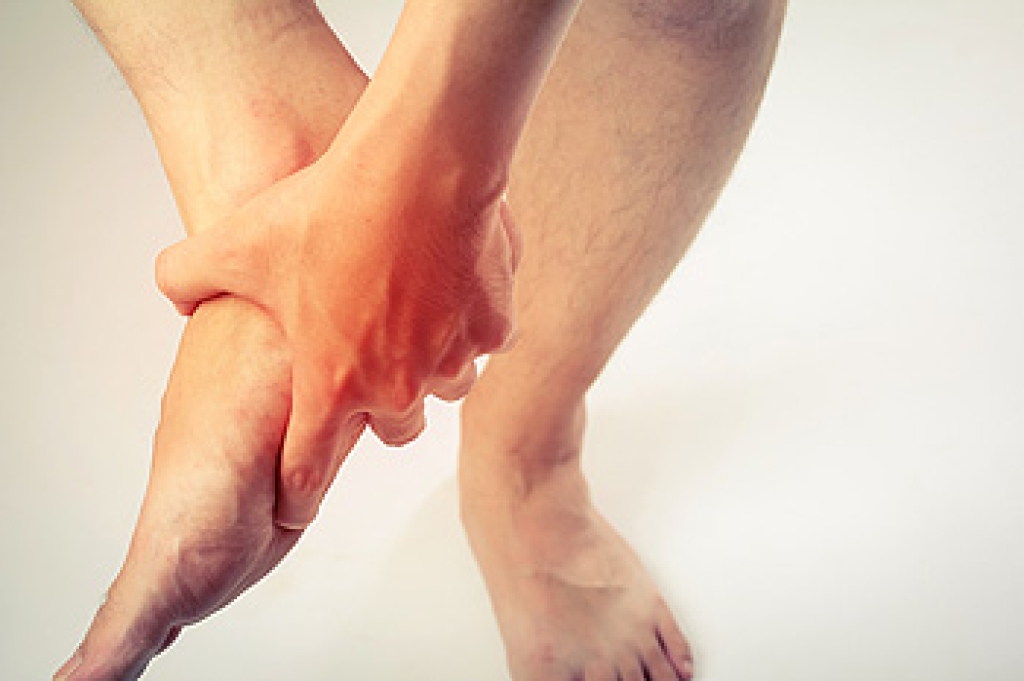
Plantar fasciitis is the most common cause of heel pain. Its main symptom is inflammation of the plantar fascia, the tissue connecting the front of the foot to the heel. Plantar fasciitis affects approximately 2 million patients each year, with athletes and individuals between 40 to 60 years of age being the most susceptible. The heel pain can range from sharp to dull, often worsening after prolonged periods of standing or physical activity. Causes of plantar fasciitis include repetitive physical activity, foot arch issues, and increased body weight. If left untreated, heel pain can lead to difficulty in walking. Fortunately, plantar fasciitis can be treated with proper care. Stretching exercises can help to rehabilitate the plantar fascia, and wearing proper footwear with adequate arch support is crucial. In some cases, wearing a foot brace or night splint can help to reduce swelling and alleviate pain. A podiatrist may suggest steroid shots or injections, as well as other pain relief medication, and in extreme cases, surgery may be considered. For help with problems associated with plantar fasciitis, it is suggested that you make an appointment with a podiatrist for an exam and treatment options.
Plantar fasciitis is a common foot condition that is often caused by a strain injury. If you are experiencing heel pain or symptoms of plantar fasciitis, contact Dr. Charles Marchese from Manalapan Foot & Ankle. Our doctor can provide the care you need to keep you pain-free and on your feet.
What Is Plantar Fasciitis?
Plantar fasciitis is one of the most common causes of heel pain. The plantar fascia is a ligament that connects your heel to the front of your foot. When this ligament becomes inflamed, plantar fasciitis is the result. If you have plantar fasciitis you will have a stabbing pain that usually occurs with your first steps in the morning. As the day progresses and you walk around more, this pain will start to disappear, but it will return after long periods of standing or sitting.
What Causes Plantar Fasciitis?
There are some risk factors that may make you more likely to develop plantar fasciitis compared to others. The condition most commonly affects adults between the ages of 40 and 60. It also tends to affect people who are obese because the extra pounds result in extra stress being placed on the plantar fascia.
Prevention
There are a variety of treatment options available for plantar fasciitis along with the pain that accompanies it. Additionally, physical therapy is a very important component in the treatment process. It is important that you meet with your podiatrist to determine which treatment option is best for you.
If you have any questions, please feel free to contact our office located in Manalapan, NJ . We offer the newest diagnostic and treatment technologies for all your foot care needs.

Custom orthotics, or shoe inserts, should be periodically replaced. Orthotics must fit properly to give you the best results. Protect your feet and ankles!


Copyright © Manalapan Foot & Ankle | Site Map | Nondiscrimination | Design by: Podiatry Content Connection