


Have your child's feet been examined lately? Healthy feet are happy feet. If your child is complaining of foot pain, it may be a sign of underlying problems.

Have your child's feet been examined lately? Healthy feet are happy feet. If your child is complaining of foot pain, it may be a sign of underlying problems.
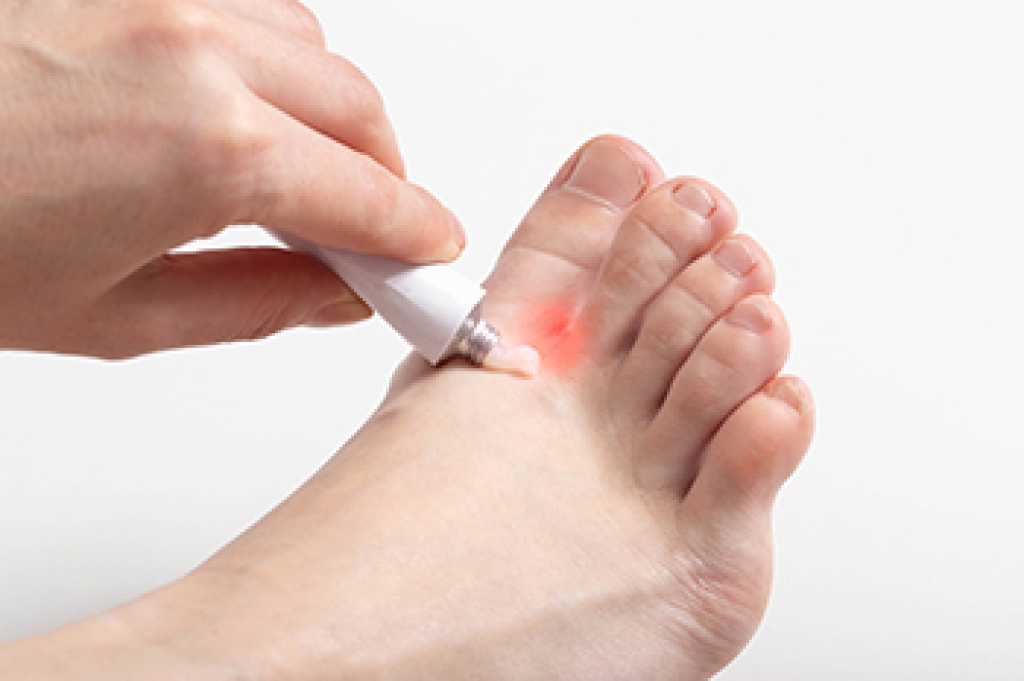
Athlete's foot is a fungal skin infection that affects the feet and spreads in damp, high traffic environments. It develops when fungi grow on the surface of the skin, especially in areas that remain warm and moist for long periods of time. Athlete's foot is extremely contagious and can spread through shared footwear, locker rooms, and public showers. Individuals with a weakened immune system or diabetes may be at a higher risk, as their bodies may have more difficulty fighting off infections.
The symptoms of athlete's foot depend on the specific type of infection. Many people experience itching, burning, and irritation that can worsen after removing shoes. Interdigital athlete's foot causes skin breakdown between the toes, often appearing white, soggy, or cracked. Plantar athlete's foot affects the bottom of the foot and causes dry, scaly skin that may extend along the sides of the foot. Additionally, acute vesicular athlete's foot is characterized by sudden blister formation, with itchy or painful fluid-filled lesions that can cause significant discomfort.
Several causes and risk factors contribute to athlete's foot. Walking barefoot in public areas such as pools and showers exposes the skin to fungi. Sharing shoes, socks, or towels increases the risk of transmission. Excessive sweating, tight footwear, and poor ventilation create an ideal environment for fungal growth. Medical conditions such as diabetes and immune system disorders can also make individuals more susceptible to infection and slow the healing process.
Prevention and treatment focus on maintaining proper foot hygiene and reducing moisture. Keeping the feet dry, wearing moisture-wicking socks, and choosing well ventilated shoes can help lower the risk. Antifungal medications are often effective, but recurring infections may require evaluation by a podiatrist. Professional care ensures proper identification of the infection type and effective treatment planning. If you have symptoms of athlete's foot, it is strongly suggested that you consult a podiatrist for effective treatment solutions, which may include prescribed medication.
Athlete’s foot is an inconvenient condition that can be easily reduced with the proper treatment. If you have any concerns about your feet and ankles, contact Dr. Charles Marchese from Manalapan Foot & Ankle. Our doctor will treat your foot and ankle needs.
Athlete’s Foot: The Sole Story
Athlete's foot, also known as tinea pedis, can be an extremely contagious foot infection. It is commonly contracted in public changing areas and bathrooms, dormitory style living quarters, around locker rooms and public swimming pools, or anywhere your feet often come into contact with other people.
Solutions to Combat Athlete’s Foot
Athlete’s foot can cause many irritating symptoms such as dry and flaking skin, itching, and redness. Some more severe symptoms can include bleeding and cracked skin, intense itching and burning, and even pain when walking. In the worst cases, Athlete’s foot can cause blistering as well. Speak to your podiatrist for a better understanding of the different causes of Athlete’s foot, as well as help in determining which treatment options are best for you.
If you have any questions please feel free to contact our office located in Manalapan, NJ . We offer the newest diagnostic and treatment technologies for all your foot and ankle needs.
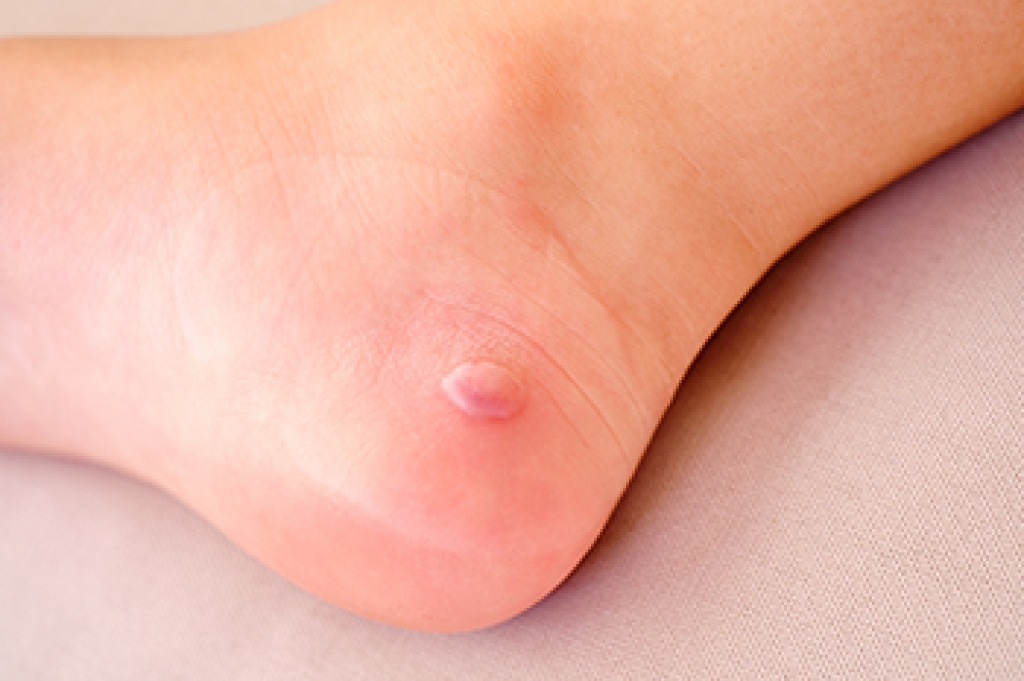
Blisters on the feet can make walking painful and interfere with normal activity. A blister is a fluid-filled swelling that forms within or just under the skin. It usually develops after the outer layer of skin becomes damaged. Fluid then collects beneath that layer and cushions the tissue below. Foot blisters can result from friction, heat, or pressure. Blood blisters form when a small blood vessel near the skin breaks and leaks into the damaged area. A blister containing pus can be a sign of infection and deserves professional attention.
Friction is an important cause of foot blisters. It occurs when skin repeatedly moves against another surface, which can damage the outer layers. Shoes that rub against the heel or toes can create this type of irritation. Pressure and shearing forces can also damage skin. Shearing occurs when the skin stays in place while deeper tissue shifts underneath it. Blisters can also develop after burns or around areas affected by fractures. Fracture blisters can contain clear fluid or blood. They can complicate healing because damaged skin has a greater risk of infection.
A podiatrist can examine a foot blister and determine what caused the skin damage. The evaluation can also identify pressure points, foot-shape concerns, or shoes that are creating repeated friction. Treatment depends on the blister's size, location, and condition. A podiatrist can protect the affected skin, select an appropriate dressing, and address pressure that could interfere with healing. Professional care is especially important when a blister shows signs of infection or occurs near an injury. Patients with recurring blisters can also benefit from an assessment of how their feet move inside their shoes. If you develop frequent foot blisters, it is suggested that you schedule an appointment with a podiatrist for effective relief and prevention tips.
Blisters are prone to making everyday activities extremely uncomfortable. If your feet are hurting, contact Dr. Charles Marchese of Manalapan Foot & Ankle. Our doctor can provide the care you need to keep you pain-free and on your feet.
Foot Blisters
Foot blisters develop as a result of constantly wearing tight or ill-fitting footwear. This happens due to the constant rubbing from the shoe, which can often lead to pain.
What Are Foot Blisters?
A foot blister is a small fluid-filled pocket that forms on the upper-most layer of the skin. Blisters are filled with clear fluid and can lead to blood drainage or pus if the area becomes infected.
How Do Blisters Form?
Blisters on the feet are often the result of constant friction of skin and material, usually by shoe rubbing. Walking in sandals, boots, or shoes that don’t fit properly for long periods of time can result in a blister. Having consistent foot moisture and humidity can easily lead to blister formation.
Prevention & Treatment
It is important to properly care for the affected area in order to prevent infection and ease the pain. Do not lance the blister and use a Band-Aid to provide pain relief. Also, be sure to keep your feet dry and wear proper fitting shoes. If you see blood or pus in a blister, seek assistance from a podiatrist.
If you have any questions, please feel free to contact our office located in Manalapan, NJ . We offer the newest diagnostic and treatment technologies for all your foot care needs.

Gout is a form of arthritis that causes sudden, intense joint pain that can make even light pressure difficult to tolerate. It develops when tiny crystals made of uric acid collect inside a joint and trigger inflammation. Gout most often affects the base of the big toe, but it also affects the midfoot, ankle, or other joints in the foot. Uric acid is a substance that the kidneys usually remove from the body. When too much uric acid builds up, crystals form and irritate the joint. An attack usually begins without warning. The affected joint becomes swollen, red, warm, and extremely painful. As the swelling improves, the skin around the joint sometimes begins to peel.
Several factors increase the risk of developing gout. The kidneys play an important role because they remove uric acid from the bloodstream. When they do not remove enough, uric acid levels rise and crystals develop. Risk factors include being overweight, drinking large amounts of alcohol, and eating excessive amounts of foods high in purines. Purines are natural substances that break down into uric acid. Certain medicines also raise uric acid levels. After one attack, many patients experience additional flare-ups. These attacks become more frequent and affect more than one joint. Repeated inflammation can damage joints and make walking more difficult.
A podiatrist can diagnose gout by reviewing your symptoms, examining the affected foot, and ordering imaging studies or laboratory testing when appropriate. Early diagnosis helps distinguish gout from infections, fractures, or other forms of arthritis. Treatment focuses on reducing pain, controlling inflammation, and protecting the affected joint. A podiatrist also monitors changes in the foot and recommends better foot support to reduce stress on painful joints. Prompt care improves mobility and reduces the risk of lasting joint problems. If you have symptoms of gout, it is suggested that you promptly schedule an appointment with a podiatrist for effective relief and treatment solutions.
Gout is a foot condition that requires certain treatment and care. If you are seeking treatment, contact Dr. Charles Marchese from Manalapan Foot & Ankle. Our doctor will treat your foot and ankle needs.
What Is Gout?
Gout is a type of arthritis caused by a buildup of uric acid in the bloodstream. It often develops in the foot, especially the big toe area, although it can manifest in other parts of the body as well. Gout can make walking and standing very painful and is especially common in diabetics and the obese.
People typically get gout because of a poor diet. Genetic predisposition is also a factor. The children of parents who have had gout frequently have a chance of developing it themselves.
Gout can easily be identified by redness and inflammation of the big toe and the surrounding areas of the foot. Other symptoms include extreme fatigue, joint pain, and running high fevers. Sometimes corticosteroid drugs can be prescribed to treat gout, but the best way to combat this disease is to get more exercise and eat a better diet.
If you have any questions, please feel free to contact our office located in Manalapan, NJ . We offer the newest diagnostic and treatment technologies for all your foot care needs.


Copyright © Manalapan Foot & Ankle | Site Map | Nondiscrimination | Design by: Podiatry Content Connection