



Your feet are covered most of the day. If you're diabetic, periodic screening is important for good health. Numbness is often a sign of diabetic foot and can mask a sore or wound.

Your feet are covered most of the day. If you're diabetic, periodic screening is important for good health. Numbness is often a sign of diabetic foot and can mask a sore or wound.
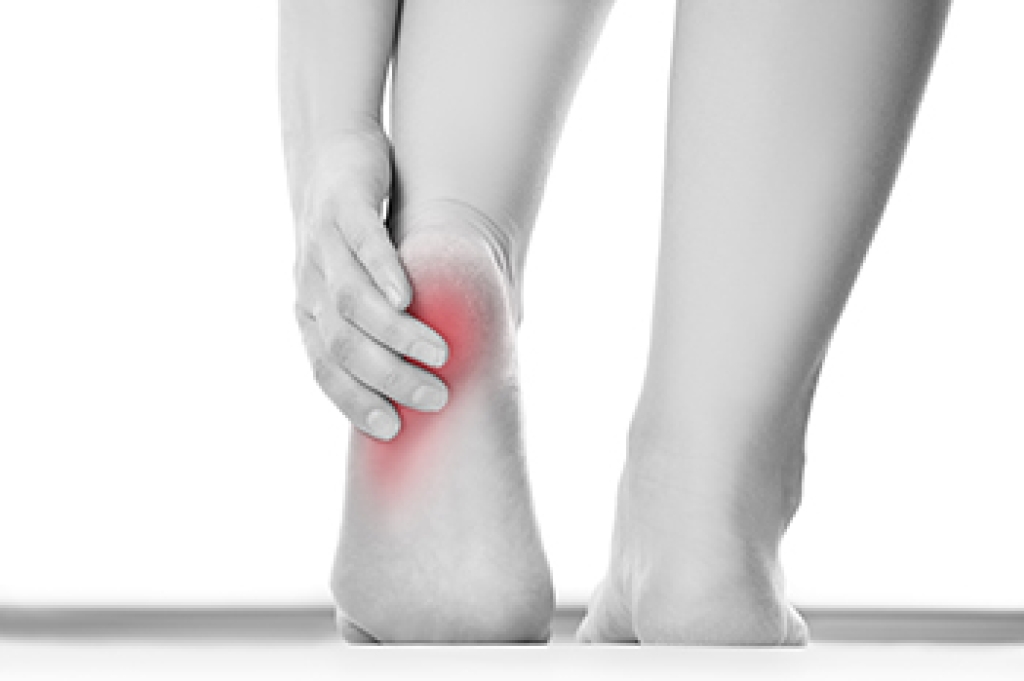
Plantar heel pain is a foot complaint that can arise from various causes, ranging from everyday activities to less common medical conditions. Typically, this pain is due to plantar fasciitis, causing the band of tissue that runs along the bottom of the foot to become inflamed. Other common causes include heel spurs, arthritis, and excessive walking or running. Less frequently, it can be caused by conditions including nerve entrapment or cysts in the heel. Symptoms generally include a sharp, stabbing pain in the bottom of the heel that is most intense with the first steps after waking up or after long periods of rest. Diagnosis usually involves a physical examination, patient history, and sometimes imaging tests like X-rays to rule out bone problems. Treatment options range from rest to more involved methods such as custom orthotics, anti-inflammatory medications, and, in severe cases, surgery. If you have persistent heel pain, it is suggested that you consult a podiatrist for a targeted treatment for relief.
Many people suffer from bouts of heel pain. For more information, contact Dr. Charles Marchese of Manalapan Foot & Ankle. Our doctor can provide the care you need to keep you pain-free and on your feet.
Causes of Heel Pain
Heel pain is often associated with plantar fasciitis. The plantar fascia is a band of tissues that extends along the bottom of the foot. A rip or tear in this ligament can cause inflammation of the tissue.
Achilles tendonitis is another cause of heel pain. Inflammation of the Achilles tendon will cause pain from fractures and muscle tearing. Lack of flexibility is also another symptom.
Heel spurs are another cause of pain. When the tissues of the plantar fascia undergo a great deal of stress, it can lead to ligament separation from the heel bone, causing heel spurs.
Why Might Heel Pain Occur?
Treatments
Heel pain should be treated as soon as possible for immediate results. Keeping your feet in a stress-free environment will help. If you suffer from Achilles tendonitis or plantar fasciitis, applying ice will reduce the swelling. Stretching before an exercise like running will help the muscles. Using all these tips will help make heel pain a condition of the past.
If you have any questions, please feel free to contact our office located in Manalapan, NJ . We offer the newest diagnostic and treatment technologies for all your foot care needs.

Managing the symptoms of foot drop requires a multifaceted approach aimed at addressing its underlying causes while enhancing stability and mobility. The main symptom of foot drop is difficulty lifting the front part of the foot when you take a step. It can stem from muscular weakness, nerve damage in the leg, or injuries to the brain or spinal cord. Treatment with the help of a podiatrist focuses on strengthening the foot, ankle, and lower leg muscles to improve function and compensate for the lack of dorsiflexion. Wearing an ankle-foot orthosis can also provide support by maintaining proper alignment during walking, which reduces the risk of tripping and falling. Electrical nerve stimulation offers another avenue for improvement, facilitating muscle activation and enhancing walking ability in some cases. For severe or long-term foot drop caused by muscle paralysis, surgical intervention may be necessary to restore movement. Home modifications, such as removing clutter and using non-slip rugs, play a vital role in fall prevention. If you are experiencing symptoms of foot drop, it is suggested that you schedule an appointment with a podiatrist to explore appropriate treatment options.
If you have any concerns about your feet, contact Dr. Charles Marchese from Manalapan Foot & Ankle. Our doctor can provide the care you need to keep you pain-free and on your feet.
Biomechanics in Podiatry
Podiatric biomechanics is a particular sector of specialty podiatry with licensed practitioners who are trained to diagnose and treat conditions affecting the foot, ankle and lower leg. Biomechanics deals with the forces that act against the body, causing an interference with the biological structures. It focuses on the movement of the ankle, the foot and the forces that interact with them.
A History of Biomechanics
Modern technological improvements are based on past theories and therapeutic processes that provide a better understanding of podiatric concepts for biomechanics. Computers can provide accurate information about the forces and patterns of the feet and lower legs.
Understanding biomechanics of the feet can help improve and eliminate pain, stopping further stress to the foot.
If you have any questions please feel free to contact our office located in Manalapan, NJ . We offer the newest diagnostic and treatment technologies for all your foot and ankle needs.
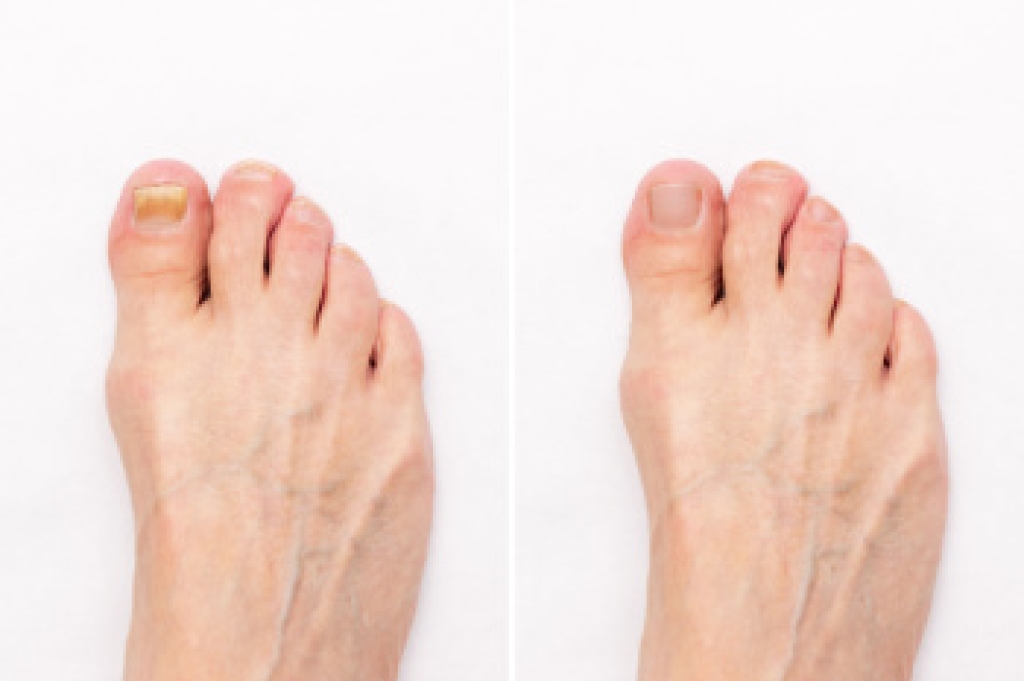
Toenail fungus, medically known as onychomycosis, encompasses several distinct types, each presenting unique characteristics and symptoms. The most common form is distal subungual onychomycosis, which typically begins as a yellow or white spot beneath the tip of the nail and gradually spreads deeper into the nail bed. Proximal subungual onychomycosis affects the base of the nail and is often seen in individuals with compromised immune systems. White superficial onychomycosis manifests as white spots on the surface of the nail, which can gradually expand. Candida onychomycosis is caused by yeast and can affect both fingernails and toenails, often leading to thick, discolored nails. Finally, total dystrophic onychomycosis results in complete nail destruction, characterized by thickening, discoloration, and crumbling of the nail plate. Recognizing the type of toenail fungus is essential for effective treatment. If you have toenail fungus, it is strongly suggested that you are under the care of a podiatrist who can accurately diagnose which type it is, and offer the treatment method that is right for you.
For more information about treatment, contact Dr. Charles Marchese of Manalapan Foot & Ankle. Our doctor can provide the care you need to keep you pain-free and on your feet.
Toenail Fungus Treatment
Toenail fungus is a condition that affects many people and can be especially hard to get rid of. Fortunately, there are several methods to go about treating and avoiding it.
Antifungals & Deterrence
Oral antifungal medicine has been shown to be effective in many cases. It is important to consult with a podiatrist to determine the proper regiment for you, or potentially explore other options.
Applying foot powder on the feet and shoes helps keep the feet free of moisture and sweat.
Sandals or open toed shoes – Wearing these will allow air movement and help keep feet dry. They also expose your feet to light, which fungus cannot tolerate. Socks with moisture wicking material also help as well.
If you have any questions please contact our office located in Manalapan, NJ . We offer the newest diagnostic and treatment technologies for all your foot and ankle needs.

You don't need an excuse to have beautiful nails. Step outside without worrying about the appearance of your feet.


Copyright © Manalapan Foot & Ankle | Site Map | Nondiscrimination | Design by: Podiatry Content Connection