
Manalapan
(732) 845-0100

Sever’s Disease and Protecting Growing Feet

Sever’s disease is a heel condition in children and adolescents caused by inflammation of the growth plate in the heel. It often develops during growth spurts when bones grow faster than muscles and tendons, creating tension at the back of the heel. Risk factors include participation in running and jumping sports, tight calf muscles, improper footwear, and high activity levels. Flat feet or high arches may further increase strain on the heels. Symptoms typically include heel pain, tenderness, swelling, and discomfort during activity. A podiatrist can evaluate foot structure, recommend supportive footwear, provide custom orthotics, and guide stretching programs to relieve stress on the heel. If your active child has heel pain, it is suggested that you consult a podiatrist who can provide an accurate diagnosis and relief tips.

Sever's disease often occurs in children and teens. If your child is experiencing foot or ankle pain, see Dr. Charles Marchese from Manalapan Foot & Ankle. Our doctor can treat your child’s foot and ankle needs.

Sever’s Disease

Sever’s disease is also known as calcaneal apophysitis, which is a medical condition that causes heel pain I none or both feet. The disease is known to affect children between the ages of 8 and 14.

Sever’s disease occurs when part of the child’s heel known as the growth plate (calcaneal epiphysis) is attached to the Achilles tendon. This area can suffer injury when the muscles and tendons of the growing foot do not keep pace with bone growth. Therefore, the constant pain which one experiences at the back of the heel will make the child unable to put any weight on the heel. The child is then forced to walk on their toes.

Symptoms

Acute pain – Pain associated with Sever’s disease is usually felt in the heel when the child engages in physical activity such as walking, jumping and or running.

Highly active – Children who are very active are among the most susceptible in experiencing Sever’s disease, because of the stress and tension placed on their feet.

If you have any questions, please feel free to contact our office located in Manalapan, NJ . We offer the newest diagnostic and treatment technologies for all your foot care needs.

Read more about Sever's Disease

Reminder: When Was the Last Time...?

Custom orthotics, or shoe inserts, should be periodically replaced. Orthotics must fit properly to give you the best results. Protect your feet and ankles!

Heel Spur Exercises for Pain Relief

Heel spurs are bony growths on the heel that often cause sharp pain, tenderness, and inflammation, especially while walking or standing. Symptoms include stabbing pain in the heel, swelling, or discomfort after rest. Effective exercises can reduce pain and improve foot function. These can include the foot flex, which involves bending the foot upward and downward to stretch and strengthen the plantar fascia, the thick band of tissue on the sole of the foot. Calf stretches on a step help lengthen the calf muscles and Achilles tendon, relieving tension on the heel. Additionally, the toe towel grab strengthens foot muscles by picking up a towel with the toes. A podiatrist can evaluate heel pain, and recommend proper stretches. If you have heel pain, it is suggested that you consult a podiatrist who can accurately diagnose what may be going on, and start you on a personalized plan for relief and improved foot health.

Exercising your feet regularly with the proper foot wear is a great way to prevent injuries and build strength. If you have any concerns about your feet, contact Dr. Charles Marchese from Manalapan Foot & Ankle. Our doctor can provide the care you need to keep you pain-free and on your feet.

Exercise for Your Feet

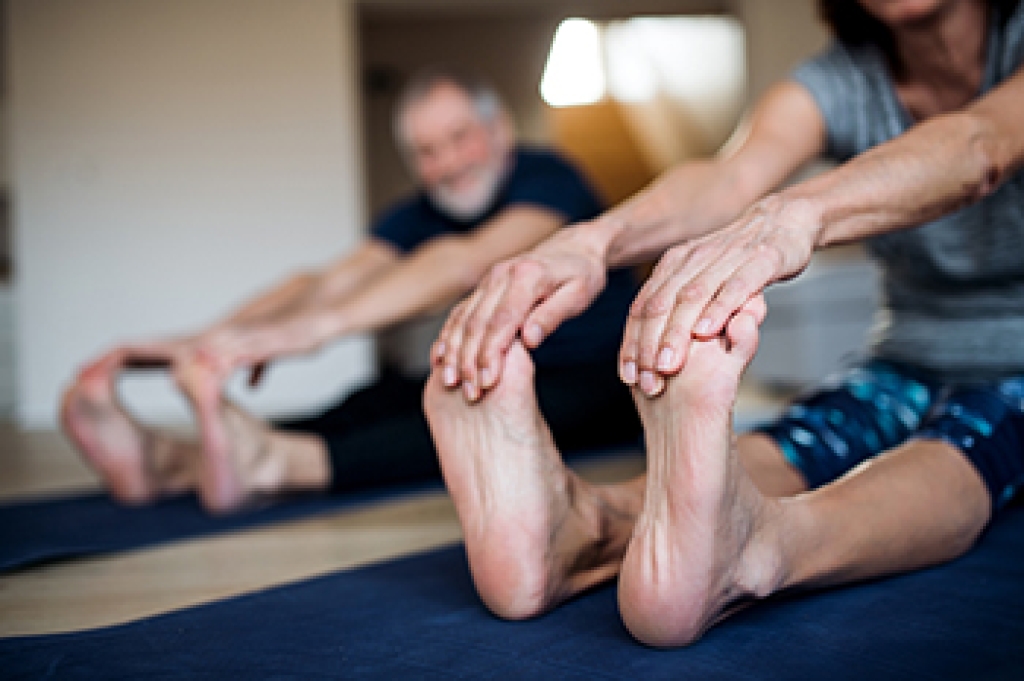
Exercise for your feet can help you gain strength, mobility and flexibility in your feet. They say that strengthening your feet can be just as rewarding as strengthening another part of the body. Your feet are very important, and we often forget about them in our daily tasks. But it is because of our feet that are we able to get going and do what we need to. For those of us fortunate enough to not have any foot problems, it is an important gesture to take care of them to ensure good health in the long run.

Some foot health exercises can include ankle pumps, tip-toeing, toe rises, lifting off the floor doing reps and sets, and flexing the toes. It is best to speak with Our doctor to determine an appropriate regimen for your needs. Everyone’s needs and bodies are different, and the activities required to maintain strength in the feet vary from individual to individual. 

Once you get into a routine of doing regular exercise, you may notice a difference in your feet and how strong they may become.

If you have any questions, please feel free to contact our office located in Manalapan, NJ . We offer the newest diagnostic and treatment technologies for all your foot care needs.

Read more about Exercise for Your Feet

Gout Causes and Podiatric Care

Gout is a form of inflammatory arthritis caused by a buildup of uric acid crystals in the joints, leading to sudden, severe pain, swelling, and redness. Historically known as the disease of kings due to its association with rich diets, gout can affect anyone, including women, especially after hormonal changes later in life. While the big toe is a common site, gout is not limited to that joint, and may involve the ankles, knees, feet, or other areas. Risk factors include genetics, diet, obesity, certain medications, and chronic health conditions. A podiatrist can accurately diagnose gout, manage flare-ups,  provide treatment to reduce pain, protect joints, and improve mobility. If you have symptoms of gout, it is suggested that you promptly consult a podiatrist who can help you manage this painful condition. 

Gout is a foot condition that requires certain treatment and care. If you are seeking treatment, contact Dr. Charles Marchese from Manalapan Foot & Ankle. Our doctor will treat your foot and ankle needs.

What Is Gout?

Gout is a type of arthritis caused by a buildup of uric acid in the bloodstream. It often develops in the foot, especially the big toe area, although it can manifest in other parts of the body as well. Gout can make walking and standing very painful and is especially common in diabetics and the obese.

People typically get gout because of a poor diet. Genetic predisposition is also a factor. The children of parents who have had gout frequently have a chance of developing it themselves.

Gout can easily be identified by redness and inflammation of the big toe and the surrounding areas of the foot. Other symptoms include extreme fatigue, joint pain, and running high fevers. Sometimes corticosteroid drugs can be prescribed to treat gout, but the best way to combat this disease is to get more exercise and eat a better diet.

If you have any questions, please feel free to contact our office located in Manalapan, NJ . We offer the newest diagnostic and treatment technologies for all your foot care needs.

Read more about Everything You Need to Know About Gout

Foot Neuropathy and the Risk of Falling

Peripheral neuropathy affects the nerves that carry signals between the feet and the brain. When these nerves are damaged, sensation in the feet may become reduced, altered, or unpredictable. People may not fully feel the ground, notice changes in surface texture, or sense foot position during walking. This loss of feedback can interfere with balance and coordination, increasing the risk of tripping or falling. Muscle weakness and slower reaction times can further add to instability. A podiatrist plays an important role in evaluating nerve function and identifying contributing factors. Treatment may include footwear guidance, custom orthotics, balance-focused exercises, and strategies to protect numb areas of the feet. Early care helps improve safety, maintain confidence with walking, and reduce fall-related injuries that can significantly impact mobility and independence. If you are experiencing neuropathy in your lower extremities, it is suggested that you visit a podiatrist for relief options.

Neuropathy

Neuropathy can be a potentially serious condition, especially if it is left undiagnosed. If you have any concerns that you may be experiencing nerve loss in your feet, consult with Dr. Charles Marchese from Manalapan Foot & Ankle. Our doctor will assess your condition and provide you with quality foot and ankle treatment for neuropathy.

What Is Neuropathy?

Neuropathy is a condition that leads to damage to the nerves in the body. Peripheral neuropathy, or neuropathy that affects your peripheral nervous system, usually occurs in the feet. Neuropathy can be triggered by a number of different causes. Such causes include diabetes, infections, cancers, disorders, and toxic substances.

Symptoms of Neuropathy Include:

  • Numbness
  • Sensation loss
  • Prickling and tingling sensations
  • Throbbing, freezing, burning pains
  • Muscle weakness

Those with diabetes are at serious risk due to being unable to feel an ulcer on their feet. Diabetics usually also suffer from poor blood circulation. This can lead to the wound not healing, infections occurring, and the limb may have to be amputated.

Treatment

To treat neuropathy in the foot, podiatrists will first diagnose the cause of the neuropathy. Figuring out the underlying cause of the neuropathy will allow the podiatrist to prescribe the best treatment, whether it be caused by diabetes, toxic substance exposure, infection, etc. If the nerve has not died, then it’s possible that sensation may be able to return to the foot.

Pain medication may be issued for pain. Electrical nerve stimulation can be used to stimulate nerves. If the neuropathy is caused from pressure on the nerves, then surgery may be necessary.

If you have any questions, please feel free to contact our office located in Manalapan, NJ . We offer the newest diagnostic and treatment technologies for all your foot care needs.

Read more about Neuropathy