
Manalapan
(732) 845-0100

Causes for Top of the Foot Pain

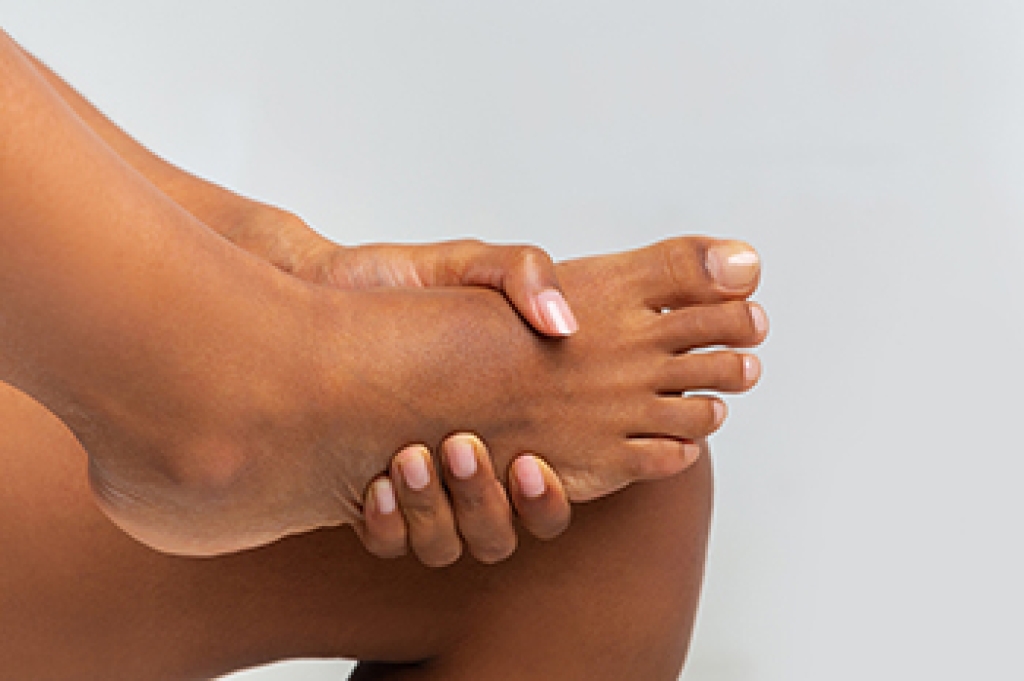
Pain on the top of the foot can develop for several reasons and can make daily activities uncomfortable. One common cause is irritation of the tendons that run along the top of the foot and help lift the toes. This can result from repetitive movement, increased activity, or wearing tight shoes that place pressure on the foot. People often notice aching pain, tenderness, and mild swelling that becomes worse when walking. Arthritis, another possible cause, affects the joints and can lead to pain, stiffness, and reduced movement in the foot. Pain on the top of the foot can also occur when the joints in the middle of the foot become irritated or worn.

Nerve-related problems can also lead to pain on the top of the foot. Peripheral neuropathy, which is nerve damage, can create burning, tingling, or numb feelings. Diabetes is a common cause of this condition. Other causes include vitamin deficiencies and poor circulation. Gout is a form of arthritis caused by a buildup of crystals in joints. Symptoms include sudden pain, redness, and swelling. Some people with gout experience severe discomfort that makes wearing shoes painful.

Injuries are another cause of pain on the top of the foot. Stress fractures are small cracks in a bone that can develop from repeated impact. Midfoot injuries can damage bones and ligaments in the center of the foot. Ligaments are strong bands of tissue that connect bones. These injuries can cause swelling, bruising, and pain when standing or walking. A podiatrist can determine the cause of top-of-foot pain through a physical examination and imaging tests, such as X-rays or MRI scans. Early diagnosis can help prevent further damage and improve comfort while walking. If you have pain in the top of your foot, it is suggested that you make an appointment with a podiatrist for an exam and diagnosis.

Foot Pain

Foot pain can be extremely painful and debilitating. If you have a foot pain, consult with Dr. Charles Marchese from Manalapan Foot & Ankle. Our doctor will assess your condition and provide you with quality foot and ankle treatment.

Causes

Foot pain is a very broad condition that could be caused by one or more ailments. The most common include:

  • Bunions
  • Hammertoes
  • Plantar Fasciitis
  • Bone Spurs
  • Corns
  • Tarsal Tunnel Syndrome
  • Ingrown Toenails
  • Arthritis (such as Gout, Rheumatoid, and Osteoarthritis)
  • Flat Feet
  • Injury (from stress fractures, broken toe, foot, ankle, Achilles tendon ruptures, and sprains)
  • And more

Diagnosis

To figure out the cause of foot pain, podiatrists utilize several different methods. This can range from simple visual inspections and sensation tests to X-rays and MRI scans. Prior medical history, family medical history, and any recent physical traumatic events will all be taken into consideration for a proper diagnosis.

Treatment

Treatment depends upon the cause of the foot pain. Whether it is resting, staying off the foot, or having surgery; podiatrists have a number of treatment options available for foot pain.

If you have any questions, please feel free to contact our office located in Manalapan, NJ . We offer the newest diagnostic and treatment technologies for all your foot care needs.

Read more about Foot Pain

Gout Pain Can Be Managed

Gout is a painful, inflammatory form of arthritis. Those affected will typically feel an intense stiffness in the joints of their feet, particularly in the big toe. Schedule a visit to learn about how gout can be managed and treated.

Why Corns and Calluses Develop

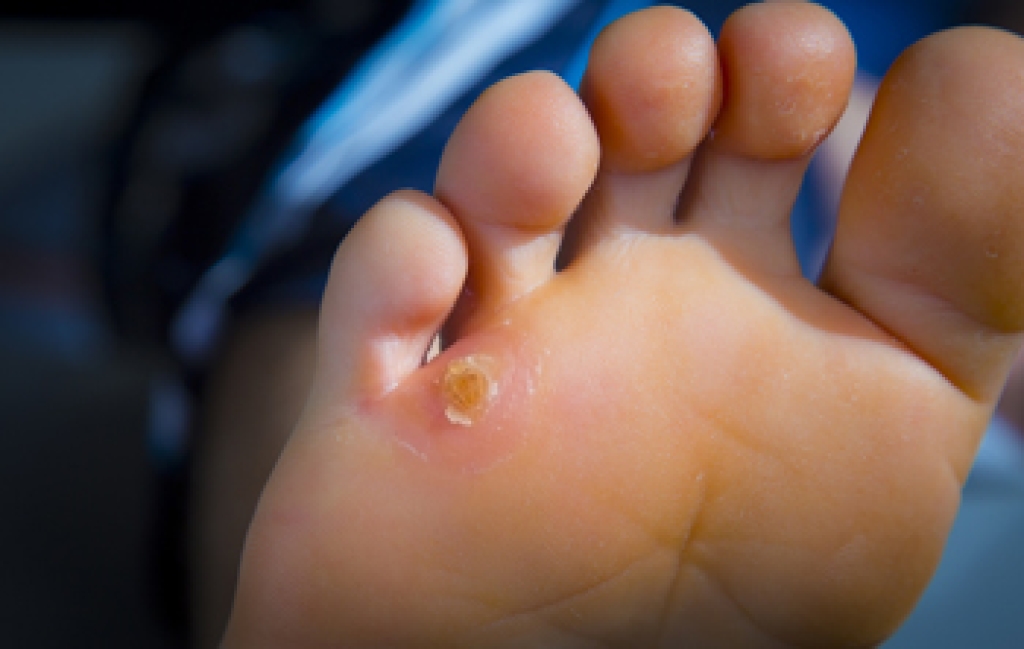
Corns and calluses are areas of thickened skin that form when the foot experiences repeated pressure or friction. This is the body’s way of protecting the skin, but the buildup can become painful. Corns are usually smaller and often develop on or between the toes, while calluses tend to be broader and commonly appear on the bottom of the foot. Wearing poorly fitting shoes, foot deformities, walking mechanics, and repeated stress from daily activity can all contribute. Although these areas may seem minor, ongoing pressure can lead to discomfort, skin breakdown, and difficulty walking, especially in people with diabetes or circulation concerns. Treatment focuses on reducing the source of pressure, improving foot support, and safely managing thickened skin. Simply trimming the skin at home does not address the underlying cause. If painful thickened skin continues to return, it is suggested that you visit a podiatrist for proper evaluation and appropriate treatment.

Corns can make walking very painful and should be treated immediately. If you have questions regarding your feet and ankles, contact Dr. Charles Marchese of Manalapan Foot & Ankle. Our doctor will treat your foot and ankle needs.

Corns: What Are They? And How Do You Get Rid of Them?
Corns are thickened areas on the skin that can become painful. They are caused by excessive pressure and friction on the skin. Corns press into the deeper layers of the skin and are usually round in shape.

Ways to Prevent Corns
There are many ways to get rid of painful corns such as:

  • Wearing properly fitting shoes that have been measured by a professional
  • Wearing shoes that are not sharply pointed or have high heels
  • Wearing only shoes that offer support

Treating Corns

Although most corns slowly disappear when the friction or pressure stops, this isn’t always the case. Consult with your podiatrist to determine the best treatment option for your case of corns.

If you have any questions, please feel free to contact our office located in Manalapan, NJ . We offer the newest diagnostic and treatment technologies for all your foot care needs.
Read more about Everything You Need to Know About Corns

What Leads to Cuboid Syndrome?

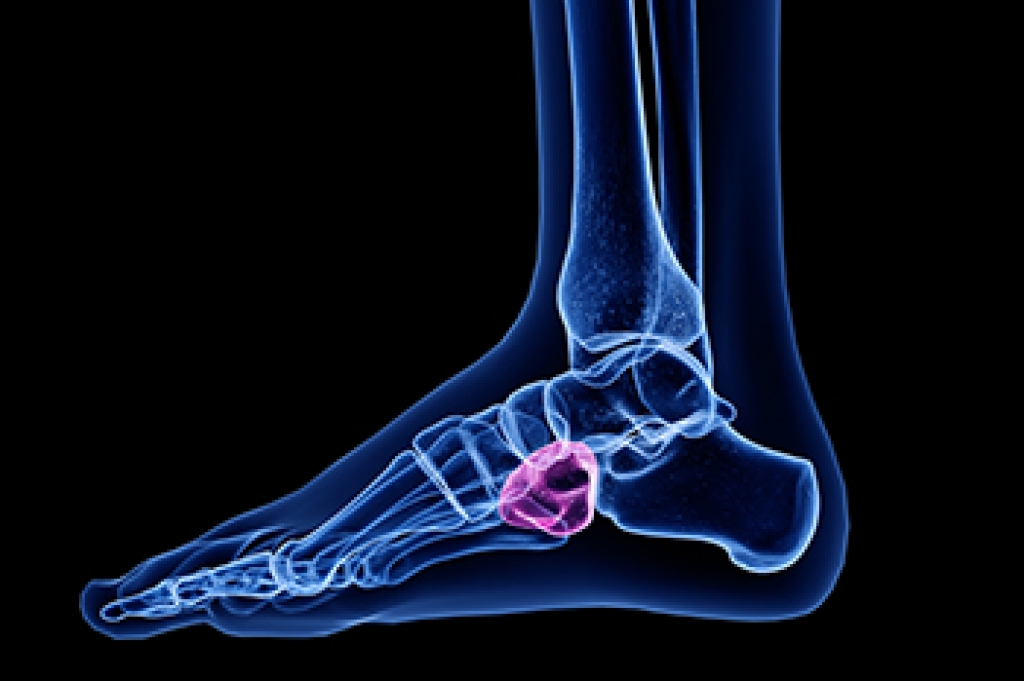
Cuboid syndrome occurs when the cuboid bone becomes slightly displaced, often causing pain along the outer side of the foot. It can develop suddenly after an ankle sprain or gradually from repeated strain during activities such as running or jumping. This condition may create a feeling of weakness, soreness, or difficulty bearing weight, especially during push-off while walking. Risk factors include overuse, poor foot mechanics, inadequate footwear, and high impact sports. People with flat feet or unstable ankles may be more prone to this injury. A podiatrist can diagnose the problem through a careful exam, restore proper alignment, and provide treatments that improve function and relieve discomfort.  If you have symptoms of cuboid syndrome, it is suggested that you consult a podiatrist who can accurately diagnose and treat foot pain.

Cuboid syndrome, also known as cuboid subluxation, occurs when the joints and ligaments near the cuboid bone in the foot become torn. If you have cuboid syndrome, consult with Dr. Charles Marchese from Manalapan Foot & Ankle. Our doctor will assess your condition and provide you with quality foot and ankle treatment.

Cuboid syndrome is a common cause of lateral foot pain, which is pain on the outside of the foot. The condition may happen suddenly due to an ankle sprain, or it may develop slowly overtime from repetitive tension through the bone and surrounding structures.

Causes

The most common causes of cuboid syndrome include:

  • Injury – The most common cause of this ailment is an ankle sprain.
  • Repetitive Strain – Tension placed through the peroneus longus muscle from repetitive activities such as jumping and running may cause excessive traction on the bone causing it to sublux.
  • Altered Foot Biomechanics – Most people suffering from cuboid subluxation have flat feet.

Symptoms

A common symptom of cuboid syndrome is pain along the outside of the foot which can be felt in the ankle and toes. This pain may create walking difficulties and may cause those with the condition to walk with a limp.

Diagnosis

Diagnosis of cuboid syndrome is often difficult, and it is often misdiagnosed. X-rays, MRIs and CT scans often fail to properly show the cuboid subluxation. Although there isn’t a specific test used to diagnose cuboid syndrome, your podiatrist will usually check if pain is felt while pressing firmly on the cuboid bone of your foot.

Treatment

Just as the range of causes varies widely, so do treatments. Some more common treatments are ice therapy, rest, exercise, taping, and orthotics.

If you have any questions, please feel free to contact our office located in Manalapan, NJ . We offer the newest diagnostic and treatment technologies for all your foot care needs.
Read more about All About Cuboid Syndrome

Causes and Treatment of Diabetic Foot Ulcers

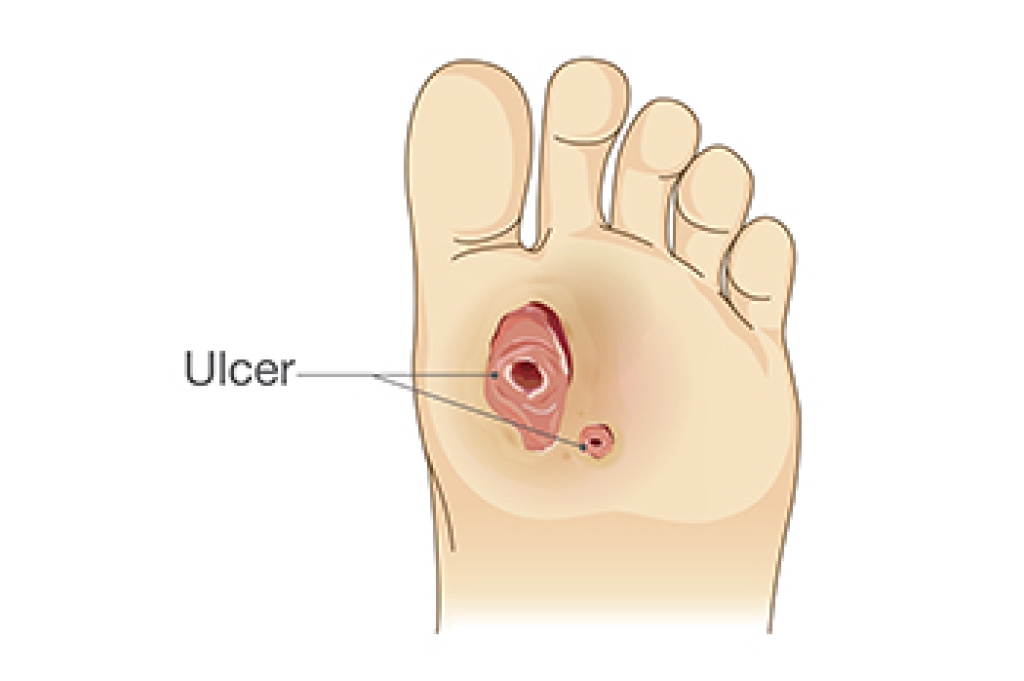
Diabetic foot ulcers are slow-healing wounds that often develop on the feet of people with diabetes. They occur when high blood sugar damages nerves and blood vessels. Nerve damage reduces feeling in the feet, so small injuries may go unnoticed. Poor circulation limits blood flow, which slows healing and increases the risk of infection. Common causes of diabetic foot ulcers include repeated pressure, cuts on the feet, and skin irritation that does not heal. Symptoms include open sores, redness, drainage, and surrounding skin changes. A podiatrist can examine the ulcer, assess blood flow and sensation, and determine the severity. Treatment includes removing damaged tissue, controlling infection, and using wound dressings. Imaging may be used to check deeper structures. Ongoing care helps prevent more serious complications and supports healing. If you have symptoms of diabetic foot ulcers, it is suggested that you make an appointment with a podiatrist for a diagnosis and ongoing treatment.

Diabetic foot care is important in preventing foot ailments such as ulcers. If you are suffering from diabetes or have any other concerns about your feet, contact Dr. Charles Marchese from Manalapan Foot & Ankle. Our doctor can provide the care you need to keep you pain-free and on your feet.

Diabetic Foot Care

Diabetes affects millions of people every year. The condition can damage blood vessels in many parts of the body, especially the feet. Because of this, taking care of your feet is essential if you have diabetes, and having a podiatrist help monitor your foot health is highly recommended.

The Importance of Caring for Your Feet

  • Routinely inspect your feet for bruises or sores.
  • Wear socks that fit your feet comfortably.
  • Wear comfortable shoes that provide adequate support.

Patients with diabetes should have their doctor monitor their blood levels, as blood sugar levels play such a huge role in diabetic care. Monitoring these levels on a regular basis is highly advised.

It is always best to inform your healthcare professional of any concerns you may have regarding your feet, especially for diabetic patients. Early treatment and routine foot examinations are keys to maintaining proper health, especially because severe complications can arise if proper treatment is not applied.

If you have any questions, please feel free to contact our office located in Manalapan, NJ . We offer the newest diagnostic and treatment technologies for all your foot care needs.

Read more about Diabetic Foot Care