


Plantar warts are small growths that develop on parts of the feet that bear weight. They're typically found on the bottom of the foot. Don't live with plantar warts, and call us today!

Plantar warts are small growths that develop on parts of the feet that bear weight. They're typically found on the bottom of the foot. Don't live with plantar warts, and call us today!
 The Achilles tendon is located in the back of the calf, and its purpose is to connect the heel bone to the calf muscles. People that frequently participate in specific sporting activities may experience injuries to the Achilles tendon. This is the result of the tendon stretching too far, possibly making it rupture and tear. This can cause considerable pain and discomfort, and daily activities may be difficult to complete. Some of the symptoms that are often associated with this ailment can include difficulty in standing on tiptoes, walking up the steps, and some patients may notice the back of their ankle is bruised and swollen. It can help to ease the pain when elevating the affected ankle as often as possible, as this may help to reduce existing swelling. Treatment can include wearing a brace or splint, which may help to stabilize the foot. If you feel you have injured your Achilles tendon, it is suggested that you consult with a podiatrist who can guide you towards the best treatment options.
Achilles tendon injuries need immediate attention to avoid future complications. If you have any concerns, contact Dr. Charles Marchese of Manalapan Foot & Ankle. Our doctor can provide the care you need to keep you pain-free and on your feet.
What Is the Achilles Tendon?
The Achilles tendon is a tendon that connects the lower leg muscles and calf to the heel of the foot. It is the strongest tendon in the human body and is essential for making movement possible. Because this tendon is such an integral part of the body, any injuries to it can create immense difficulties and should immediately be presented to a doctor.
What Are the Symptoms of an Achilles Tendon Injury?
There are various types of injuries that can affect the Achilles tendon. The two most common injuries are Achilles tendinitis and ruptures of the tendon.
Achilles Tendinitis Symptoms
Rupture Symptoms
Treatment and Prevention
Achilles tendon injuries are diagnosed by a thorough physical evaluation, which can include an MRI. Treatment involves rest, physical therapy, and in some cases, surgery. However, various preventative measures can be taken to avoid these injuries, such as:
If you have any questions please feel free to contact our office located in Manalapan, NJ . We offer the newest diagnostic tools and technology to treat your foot and ankle needs.
Broken toes are of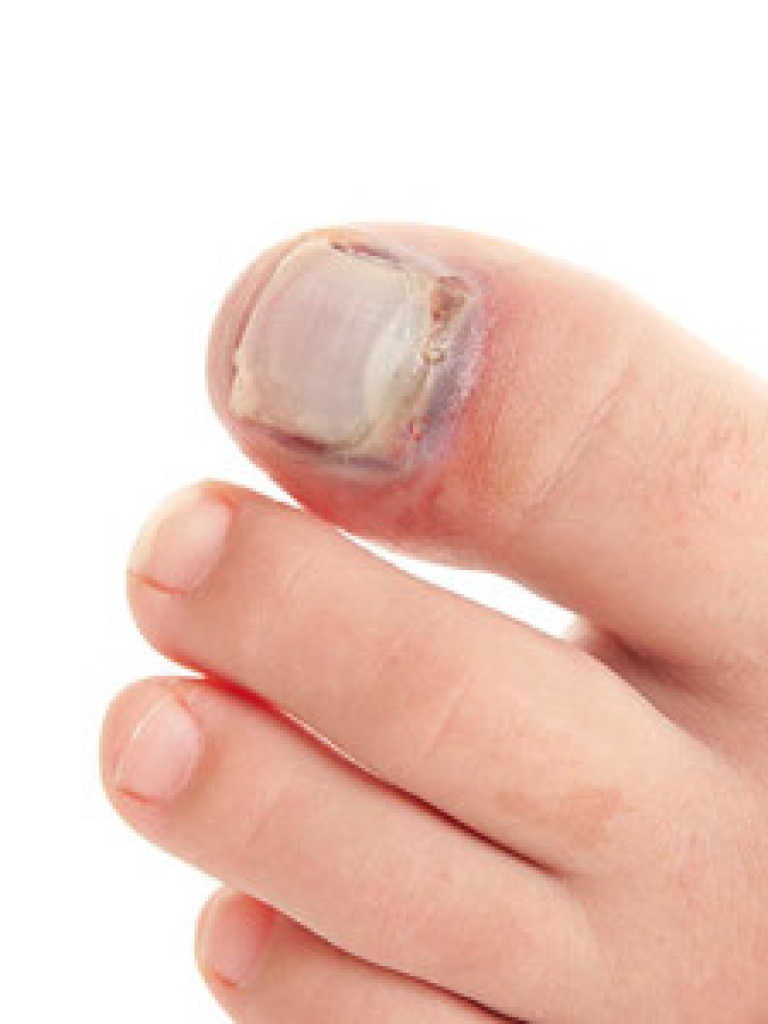 ten caused by trauma or injury. Repetitive movements can cause a break to turn into a stress or hairline fracture. Symptoms of a broken toe include pain, swelling, stiffness, bruising, and difficulty walking. The most common causes of a broken toe are stubbing the toe and dropping a heavy object on it. When compared to other parts of the foot, the toes are the most likely to get injured due to their location at the front of the feet. It is important to seek an opinion after the injury has occurred in order to ensure proper treatment and healing can take place. In order to diagnose whether it is a break or not, a doctor will ask questions of how the injury occurred and they will also administer an X-ray to confirm it. If you feel that you have sustained a broken toe, it is advised to consult with a podiatrist.
A broken toe can be very painful and lead to complications if not properly fixed. If you have any concerns about your feet, contact Dr. Charles Marchese from Manalapan Foot & Ankle. Our doctor will treat your foot and ankle needs.
What to Know About a Broken Toe
Although most people try to avoid foot trauma such as banging, stubbing, or dropping heavy objects on their feet, the unfortunate fact is that it is a common occurrence. Given the fact that toes are positioned in front of the feet, they typically sustain the brunt of such trauma. When trauma occurs to a toe, the result can be a painful break (fracture).
Symptoms of a Broken Toe
Generally, it is best to stay off of the injured toe with the affected foot elevated.
Severe toe fractures may be treated with a splint, cast, and in some cases, minor surgery. Due to its position and the pressure it endures with daily activity, future complications can occur if the big toe is not properly treated.
If you have any questions, please feel free to contact our office located in Manalapan, NJ . We offer the newest diagnostic and treatment technologies for all your foot care needs.
Falls prevention is an important topic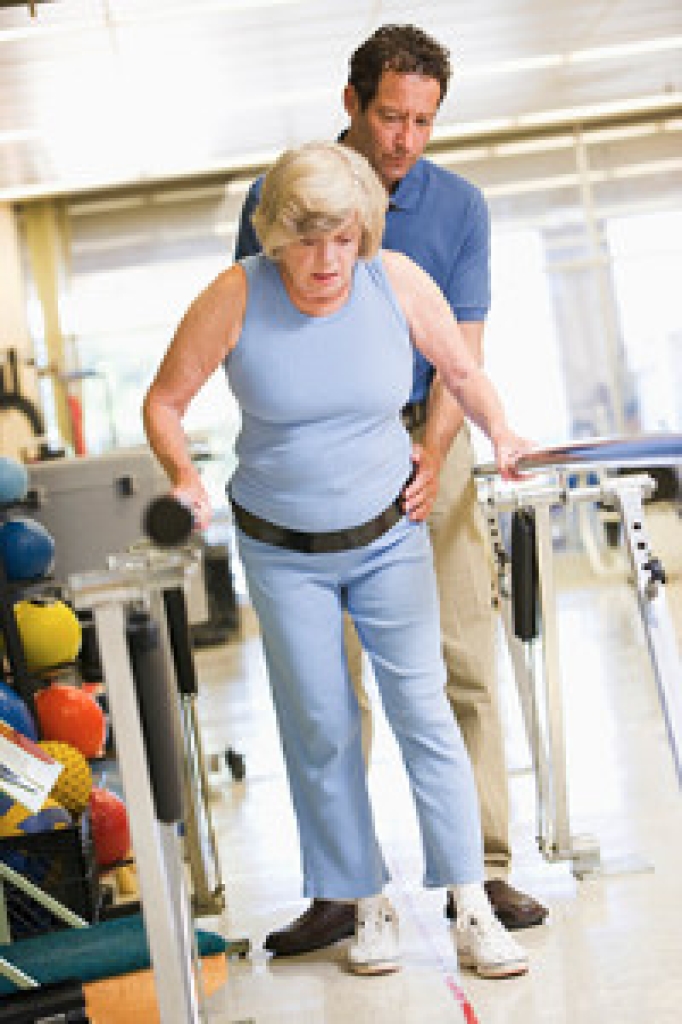 for older people. Being they will undergo physical changes and health conditions, this puts them more at risk to falls. There are six simple steps that will help prevent falls. The first step is to make an appointment with your doctor. It is important to be able to answer questions such as “What medications are you taking?”, “Have you fallen before?”, and “Can your health conditions potentially cause a fall?”. Having solutions to these questions will allow you to be more cautious. The second step is to keep moving. Staying active by taking part in physical activities will reduce the risk of falls by improving strength, balance, coordination and flexibility. The third step is to wear sensible shoes. Sturdy, properly fitting shoes will not be a safety hazard and can also help reduce joint pain. The fourth step is to remove any hazards in your house. It is important to clear the home of anything blocking the walking path such as wires, and to place non-slip mats on the floor so that you are not at risk of slipping on wet surfaces. The fifth step is to light up the living space. Whenever you are home, keep the lights on in each room you enter, in order to avoid tripping on objects that may be hard to see in the dark. The sixth and final step is to use assistive devices in your home. Use the hand rails when walking up and down the stairs, grab bars for the shower and a raised toilet seat when going to the bathroom. If you feel you may be prone to falls, see a podiatrist to discuss the best preventative options.
Preventing falls among the elderly is very important. If you are older and have fallen or fear that you are prone to falling, consult with Dr. Charles Marchese from Manalapan Foot & Ankle. Our doctor will assess your condition and provide you with quality advice and care.
Every 11 seconds, an elderly American is being treated in an emergency room for a fall related injury. Falls are the leading cause of head and hip injuries for those 65 and older. Due to decreases in strength, balance, senses, and lack of awareness, elderly persons are very susceptible to falling. Thankfully, there are a number of things older persons can do to prevent falls.
How to Prevent Falls
Some effective methods that older persons can do to prevent falls include:
Falling can be a traumatic and embarrassing experience for elderly persons; this can make them less willing to leave the house, and less willing to talk to someone about their fears of falling. Doing such things, however, will increase the likelihood of tripping or losing one’s balance. Knowing the causes of falling and how to prevent them is the best way to mitigate the risk of serious injury.
If you have any questions, please feel free to contact our office located in Manalapan, NJ . We offer the newest diagnostic and treatment technologies for all your foot care needs.

If you are suffering from tenderness, pain, or stiffness in the joints of your feet or ankles, call us to schedule an appointment.


Copyright © Manalapan Foot & Ankle | Site Map | Nondiscrimination | Design by: Podiatry Content Connection