
Manalapan
(732) 845-0100

Choosing the Right Ankle Brace

Finding the right ankle brace after an injury depends on the type of injury incurred, the level of instability it caused, and amount of support needed. Lace-up ankle braces offer adjustable support and a snug fit, making them a common choice for people with mild ankle instability. Stirrup braces provide more rigid support, with a plastic shell that stabilizes the joint, ideal for moderate injuries. Hinged ankle braces offer maximum stability and allow for a better range of motion, often used for severe injuries or post-surgery recovery. Compression braces, made of flexible material, reduce swelling and provide light support. Hybrid braces combine certain features, offering customized stability. Each type of ankle brace has advantages, like support and pain reduction, but may also restrict motion or cause discomfort if not properly fitted. A podiatrist can assess your ankle injury, recommend the best brace for your needs, and ensure it fits properly to avoid complications. If you have an ankle injury and need a brace, it is suggested that you make an appointment with a podiatrist for an exam and evaluation.

Ankle pain can be caused by a number of problems and may be potentially serious. If you have ankle pain, consult with Dr. Charles Marchese from Manalapan Foot & Ankle. Our doctor will assess your condition and provide you with quality foot and ankle treatment.

Ankle pain is any condition that causes pain in the ankle. Due to the fact that the ankle consists of tendons, muscles, bones, and ligaments, ankle pain can come from a number of different conditions.

Causes

The most common causes of ankle pain include:

  • Types of arthritis (rheumatoid, osteoarthritis, and gout)
  • Ankle sprains
  • Broken ankles
  • Achilles tendonitis
  • Achilles tendon rupture
  • Stress fractures
  • Bursitis
  • Tarsal tunnel syndrome
  • Plantar fasciitis

Symptoms

Symptoms of ankle injury vary based upon the condition. Pain may include general pain and discomfort, swelling, aching, redness, bruising, burning or stabbing sensations, and/or loss of sensation.

Diagnosis

Due to the wide variety of potential causes of ankle pain, podiatrists will utilize a number of different methods to properly diagnose ankle pain. This can include asking for personal and family medical histories and of any recent injuries. Further diagnosis may include sensation tests, a physical examination, and potentially x-rays or other imaging tests.

Treatment

Just as the range of causes varies widely, so do treatments. Some more common treatments are rest, ice packs, keeping pressure off the foot, orthotics and braces, medication for inflammation and pain, and surgery.

If you have any questions please feel free to contact our office located in Manalapan, NJ . We offer the newest diagnostic tools and technology to treat your foot and ankle needs.


Read more about Ankle Pain

Why Live with Pain and Numbness in Your Feet?

Suffering from this type of pain? You may have the foot condition known as Morton's neuroma. Morton's neuroma may develop as a result of ill-fitting footwear and existing foot deformities. We can help.

Reasons for Ball of the Foot Pain

Pain in the ball of the foot, known as metatarsalgia, can develop from increased pressure, injuries, or anatomical issues. Metatarsalgia often occurs from running, wearing high heels, or sports that place stress on the forefoot. Conditions like bunions, hammertoes, and high arches can also contribute to the pain by altering the alignment of the metatarsal bones. Additionally, nerve conditions, such as Morton’s neuroma, and issues with the plantar plate ligament can lead to pain and discomfort in the ball of the foot. Symptoms include sharp or aching pain, swelling, or a feeling of stepping on a small object. Addressing this pain requires understanding the underlying cause, which a podiatrist can diagnose through a thorough physical examination and imaging tests, if needed. Treatment may involve modifying footwear, prescribing custom orthotics, or considering other methods that help relieve pressure. If you have pain in the ball of your foot, it is suggested that you schedule an appointment with a podiatrist for an exam and treatment.

Foot Pain

Foot pain can be extremely painful and debilitating. If you have a foot pain, consult with Dr. Charles Marchese from Manalapan Foot & Ankle. Our doctor will assess your condition and provide you with quality foot and ankle treatment.

Causes

Foot pain is a very broad condition that could be caused by one or more ailments. The most common include:

  • Bunions
  • Hammertoes
  • Plantar Fasciitis
  • Bone Spurs
  • Corns
  • Tarsal Tunnel Syndrome
  • Ingrown Toenails
  • Arthritis (such as Gout, Rheumatoid, and Osteoarthritis)
  • Flat Feet
  • Injury (from stress fractures, broken toe, foot, ankle, Achilles tendon ruptures, and sprains)
  • And more

Diagnosis

To figure out the cause of foot pain, podiatrists utilize several different methods. This can range from simple visual inspections and sensation tests to X-rays and MRI scans. Prior medical history, family medical history, and any recent physical traumatic events will all be taken into consideration for a proper diagnosis.

Treatment

Treatment depends upon the cause of the foot pain. Whether it is resting, staying off the foot, or having surgery; podiatrists have a number of treatment options available for foot pain.

If you have any questions, please feel free to contact our office located in Manalapan, NJ . We offer the newest diagnostic and treatment technologies for all your foot care needs.

Read more about Foot Pain

What Causes Heel Spurs?

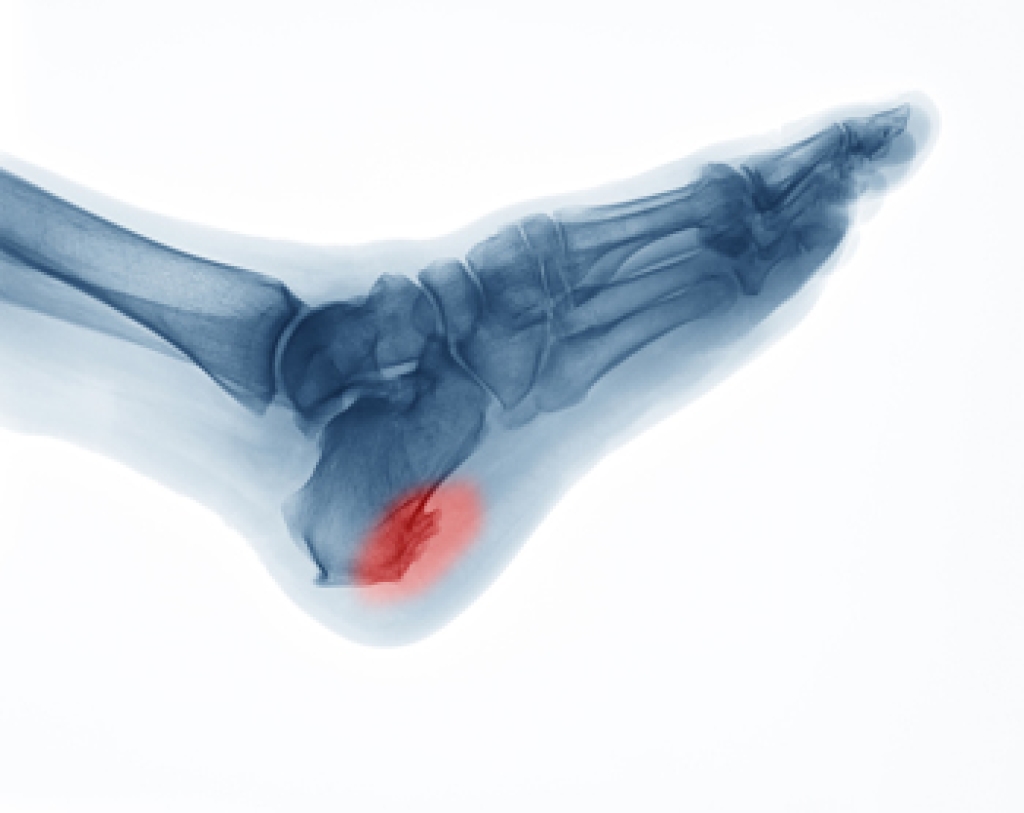
Heel spurs, known medically as calcaneal spurs, are bony protrusions that form on the heel bone, or calcaneus. There are two primary types, which are known as inferior calcaneal spurs, developing on the bottom of the heel, and posterior calcaneal spurs, located at the back of the heel. These spurs often arise from repetitive stress on the foot, commonly from activities that involve running or walking on hard surfaces. Over time, this stress can lead to inflammation of the surrounding tissues, particularly the plantar fascia, resulting in pain and discomfort. Symptoms of heel spurs typically include localized pain, especially during initial steps after resting, and tenderness when pressure is applied to the heel. If you have heel pain, it is suggested that you consult a podiatrist who can accurately diagnose the cause and provide appropriate treatment.

Heel spurs can be incredibly painful and sometimes may make you unable to participate in physical activities. To get medical care for your heel spurs, contact Dr. Charles Marchese from Manalapan Foot & Ankle. Our doctor will do everything possible to treat your condition.

Heels Spurs

Heel spurs are formed by calcium deposits on the back of the foot where the heel is. This can also be caused by small fragments of bone breaking off one section of the foot, attaching onto the back of the foot. Heel spurs can also be bone growth on the back of the foot and may grow in the direction of the arch of the foot.

Older individuals usually suffer from heel spurs and pain sometimes intensifies with age. One of the main condition's spurs are related to is plantar fasciitis.

Pain

The pain associated with spurs is often because of weight placed on the feet. When someone is walking, their entire weight is concentrated on the feet. Bone spurs then have the tendency to affect other bones and tissues around the foot. As the pain continues, the feet will become tender and sensitive over time.

Treatments

There are many ways to treat heel spurs. If one is suffering from heel spurs in conjunction with pain, there are several methods for healing. Medication, surgery, and herbal care are some options.

If you have any questions, please feel free to contact our office located in Manalapan, NJ . We offer the newest diagnostic and treatment technologies for all your foot care needs.

Read more about Heel Spurs

Signs You Need Shoe Orthotics

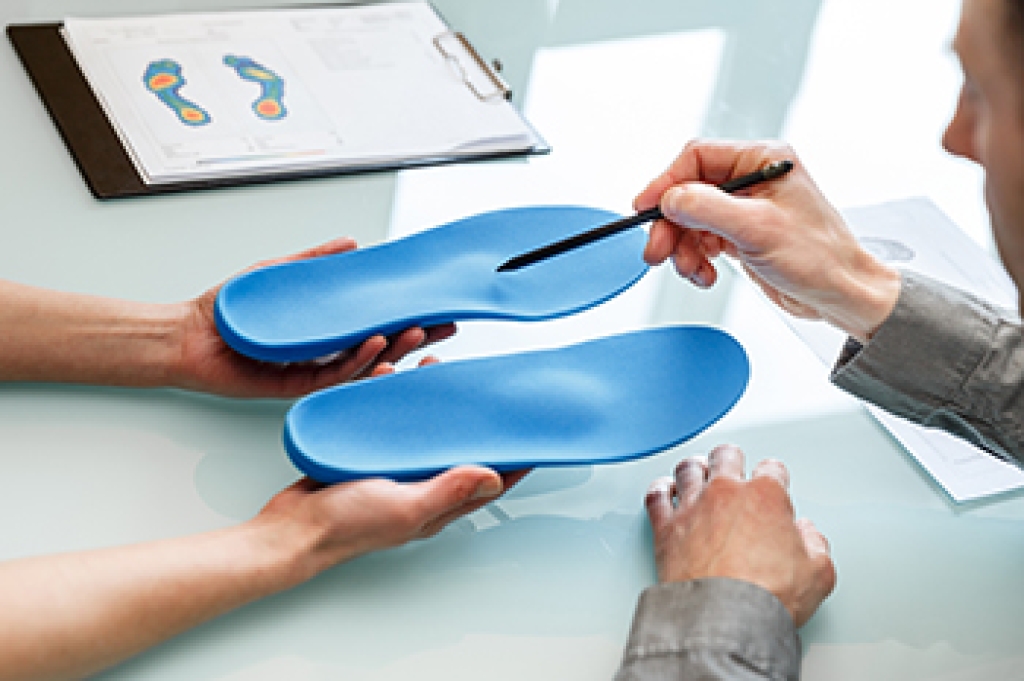
Shoe orthotics are custom insoles designed to support and align the feet, improving overall comfort and function. There are several signs that may indicate the need for orthotics. Persistent foot pain, especially after physical activities, can signal an underlying issue. If you experience discomfort in your heels, arches, or toes, it may be time to consider orthotics. Additionally, frequently feeling fatigued or noticing changes in your walking pattern, such as limping or uneven wear on your shoes, can be indicators. People with certain conditions, like flat feet or plantar fasciitis, often benefit from orthotic support. If you have chronic foot pain or minor discomfort, it is suggested that you consult a podiatrist who can determine if custom orthotics are right for you.

Wound care is an important part in dealing with diabetes. If you have diabetes and a foot wound or would like more information about wound care for diabetics, consult with Dr. Charles Marchese from Manalapan Foot & Ankle. Our doctor will assess your condition and provide you with quality foot and ankle treatment.

What Is Wound Care?

Wound care is the practice of taking proper care of a wound. This can range from the smallest to the largest of wounds. While everyone can benefit from proper wound care, it is much more important for diabetics. Diabetics often suffer from poor blood circulation which causes wounds to heal much slower than they would in a non-diabetic. 

What Is the Importance of Wound Care?

While it may not seem apparent with small ulcers on the foot, for diabetics, any size ulcer can become infected. Diabetics often also suffer from neuropathy, or nerve loss. This means they might not even feel when they have an ulcer on their foot. If the wound becomes severely infected, amputation may be necessary. Therefore, it is of the upmost importance to properly care for any and all foot wounds.

How to Care for Wounds

The best way to care for foot wounds is to prevent them. For diabetics, this means daily inspections of the feet for any signs of abnormalities or ulcers. It is also recommended to see a podiatrist several times a year for a foot inspection. If you do have an ulcer, run the wound under water to clear dirt from the wound; then apply antibiotic ointment to the wound and cover with a bandage. Bandages should be changed daily and keeping pressure off the wound is smart. It is advised to see a podiatrist, who can keep an eye on it.

If you have any questions please contact our office located in Manalapan, NJ . We offer the newest diagnostic and treatment technologies for all your foot and ankle needs.

Read more about Wound Care