Manalapan
(732) 845-0100

Understanding the Causes and Treatment for Bunions

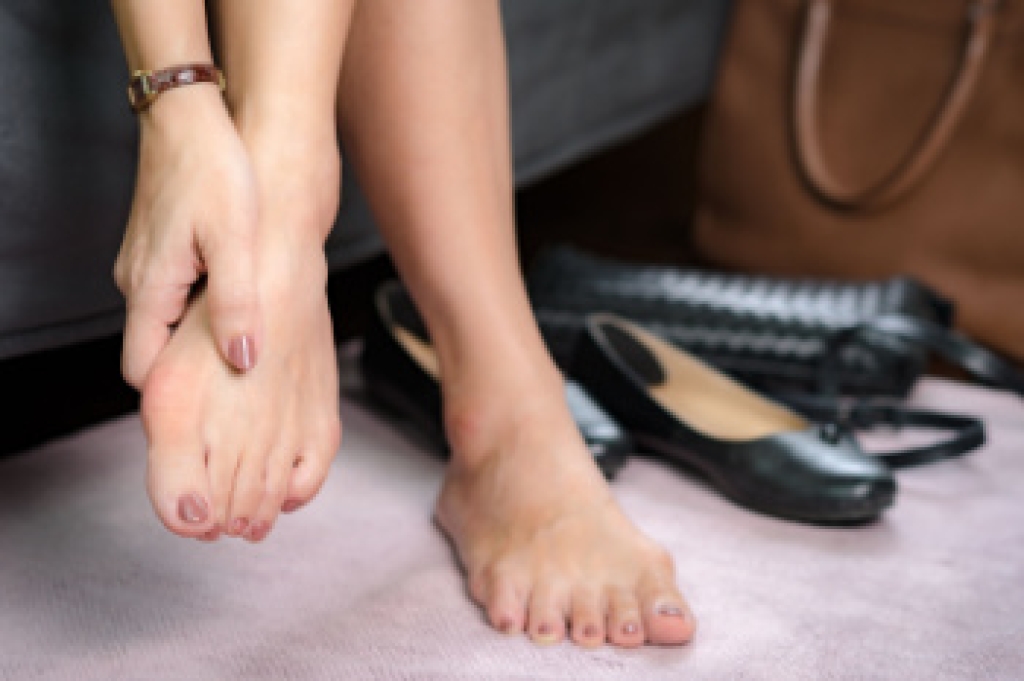
Bunions are bony bumps that form at the base of the big toe when the joint shifts out of alignment. They can change the way you walk, and make every step uncomfortable. Many people wonder whether shoes cause bunions. The answer is more complicated. Genetics plays a major role because some people inherit foot shapes that make bunions more likely. Still, shoes that squeeze the toes or place extra pressure on the front of the foot can speed their development and make symptoms worse. Narrow toe boxes and high heels increase stress considerably, whereas supportive shoes help reduce stress.

A podiatrist can evaluate the shape of your feet, explain why the bunion developed, and recommend treatment that fits your needs. Care includes custom orthotics, changes in shoe choices, and careful monitoring of the joint. Early evaluation also helps protect nearby toes from added pressure while walking. Your podiatrist can answer questions about footwear that lacks proper support and explain which shoe features best match your foot shape and daily activities. Prompt care can also improve comfort and mobility. 

Ignoring bunion pain can limit daily activities and affect confidence with every step. Paying attention to early changes gives your podiatrist more options to slow worsening and keep you moving more comfortably. Choosing shoes with a wide toe box, good arch support, and low heels reduces pressure on the big toe joint. If you have symptoms of bunions, it is suggested that you schedule an appointment with a podiatrist for diagnosis and treatment. Early treatment can help reduce pain, improve foot function, and make everyday activities more comfortable. Prompt attention can improve comfort, protect foot function, and help you stay active with greater confidence for many years ahead without unnecessary pain each day. If you have developed a bunion, it is suggested that you consult a podiatrist who can offer effective relief and management solutions.

If you are suffering from bunion pain, contact Dr. Charles Marchese of Manalapan Foot & Ankle. Our doctor can provide the care you need to keep you pain-free and on your feet.

What Is a Bunion?

Bunions are painful bony bumps that usually develop on the inside of the foot at the joint of the big toe. As the deformity increases over time, it may become painful to walk and wear shoes. Women are more likely to exacerbate existing bunions since they often wear tight, narrow shoes that shift their toes together. Bunion pain can be relieved by wearing wider shoes with enough room for the toes.

Causes

  • Genetics – some people inherit feet that are more prone to bunion development
  • Inflammatory Conditions - rheumatoid arthritis and polio may cause bunion development

Symptoms

  • Redness and inflammation
  • Pain and tenderness
  • Callus or corns on the bump
  • Restricted motion in the big toe

In order to diagnose your bunion, your podiatrist may ask about your medical history, symptoms, and general health. Your doctor might also order an x-ray to take a closer look at your feet. Nonsurgical treatment options include orthotics, padding, icing, changes in footwear, and medication. If nonsurgical treatments don’t alleviate your bunion pain, surgery may be necessary.

If you have any questions, please feel free to contact our office located in Manalapan, NJ . We offer the newest diagnostic and treatment technologies for all your foot care needs.
Read more about Bunions

How a Podiatrist Treats an Ankle Sprain

An ankle sprain happens when the foot rolls, twists, or turns beyond its normal range. This sudden motion stretches or tears ligaments, the strong bands of tissue that hold the ankle joint together. Sports that involve running, jumping, or quick changes in direction can raise the risk. A sprain can also happen when a person steps on an uneven surface or lands awkwardly. Signs include pain, swelling, and bruising. The ankle may feel weak or stiff. Putting weight on the foot can be difficult, and discomfort can become sharper when walking.

Ankle sprains range from mild stretching to a complete ligament tear. Even an injury that seems minor deserves immediate attention because a broken bone can cause similar symptoms. A podiatrist examines the ankle, asks how the injury happened, and checks its movement. This foot doctor also looks for areas of tenderness and signs of joint instability. X-rays can show whether a bone is broken. Other imaging can provide a closer view of damaged ligaments when the diagnosis is unclear. Patients who cannot take four steps, have severe swelling, or notice an unusual ankle shape should seek prompt care.

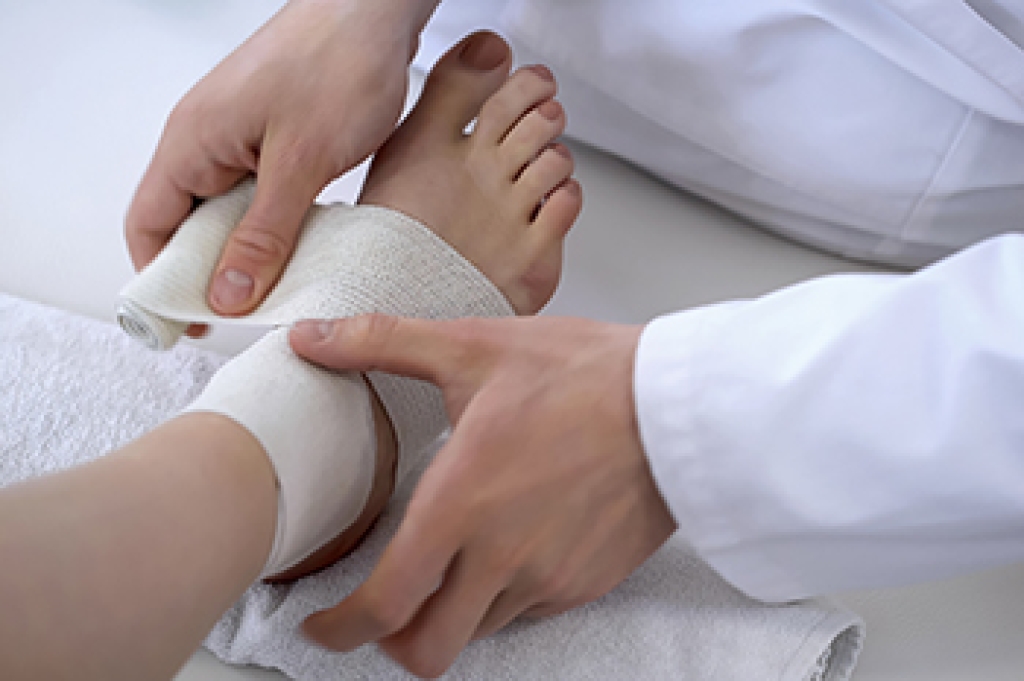
Treatment from a podiatrist focuses on protecting the ankle while it heals and helping the joint work safely again. The plan can include a brace, supportive taping, and guided exercises. These exercises aim to strengthen the muscles around the ankle and improve movement. The podiatrist also guides weight-bearing and a safe return to sports with confidence. For repeated sprains, an evaluation can identify loose ligaments, poor balance, or lasting weakness. Surgery is rarely required, but it can be considered when severe instability continues despite other care. Wearing shoes with proper support and warming up before activity can help lower the chance of reinjury. If you have sprained an ankle, it is suggested that you schedule an appointment with a podiatrist for effective relief and treatment solutions.

Ankle sprains are common but need immediate attention. If you need your feet checked, contact Dr. Charles Marchese from Manalapan Foot & Ankle. Our doctor can provide the care you need to keep you pain-free and on your feet.

How Does an Ankle Sprain Occur?

Ankle sprains take place when the ligaments in your ankle are torn or stretched beyond their limits. There are multiple ways that the ankle can become injured, including twisting or rolling over onto your ankle, putting undue stress on it, or causing trauma to the ankle itself.

What Are the Symptoms?

  • Mild to moderate bruising
  • Limited mobility
  • Swelling
  • Discoloration of the skin (depending on severity)

Preventing a Sprain

  • Wearing appropriate shoes for the occasion
  • Stretching before exercises and sports
  • Knowing your limits

Treatment of a Sprain

Treatment of a sprain depends on the severity.  Many times, people are told to rest and remain off their feet completely, while others are given an air cast. If the sprain is very severe, surgery may be required.

If you have suffered an ankle sprain previously, you may want to consider additional support such as a brace and regular exercises to strengthen the ankle.

If you have any questions please feel free to contact our office located in Manalapan, NJ . We offer the newest diagnostic tools and technology to treat your foot and ankle needs.

Read more about Ankle Sprains

Do Your Child's Feet Hurt?

Have your child's feet been examined lately? Healthy feet are happy feet. If your child is complaining of foot pain, it may be a sign of underlying problems.

Types of Athlete’s Foot Infections

Athlete's foot is a fungal skin infection that affects the feet and spreads in damp, high traffic environments. It develops when fungi grow on the surface of the skin, especially in areas that remain warm and moist for long periods of time. Athlete's foot is extremely contagious and can spread through shared footwear, locker rooms, and public showers. Individuals with a weakened immune system or diabetes may be at a higher risk, as their bodies may have more difficulty fighting off infections.

The symptoms of athlete's foot depend on the specific type of infection. Many people experience itching, burning, and irritation that can worsen after removing shoes. Interdigital athlete's foot causes skin breakdown between the toes, often appearing white, soggy, or cracked. Plantar athlete's foot affects the bottom of the foot and causes dry, scaly skin that may extend along the sides of the foot. Additionally, acute vesicular athlete's foot is characterized by sudden blister formation, with itchy or painful fluid-filled lesions that can cause significant discomfort.


Several causes and risk factors contribute to athlete's foot. Walking barefoot in public areas such as pools and showers exposes the skin to fungi. Sharing shoes, socks, or towels increases the risk of transmission. Excessive sweating, tight footwear, and poor ventilation create an ideal environment for fungal growth. Medical conditions such as diabetes and immune system disorders can also make individuals more susceptible to infection and slow the healing process.


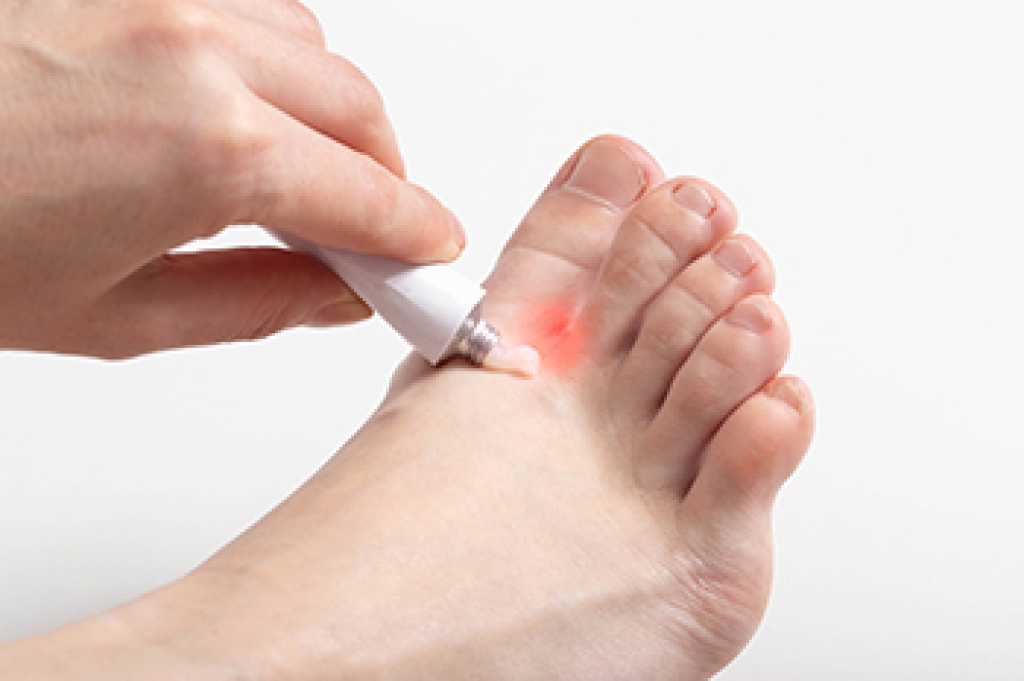
Prevention and treatment focus on maintaining proper foot hygiene and reducing moisture. Keeping the feet dry, wearing moisture-wicking socks, and choosing well ventilated shoes can help lower the risk. Antifungal medications are often effective, but recurring infections may require evaluation by a podiatrist. Professional care ensures proper identification of the infection type and effective treatment planning. If you have symptoms of athlete's foot, it is strongly suggested that you consult a podiatrist for effective treatment solutions, which may include prescribed medication. 

Athlete’s foot is an inconvenient condition that can be easily reduced with the proper treatment. If you have any concerns about your feet and ankles, contact Dr. Charles Marchese from Manalapan Foot & Ankle.  Our doctor will treat your foot and ankle needs.

Athlete’s Foot: The Sole Story

Athlete's foot, also known as tinea pedis, can be an extremely contagious foot infection. It is commonly contracted in public changing areas and bathrooms, dormitory style living quarters, around locker rooms and public swimming pools, or anywhere your feet often come into contact with other people.

Solutions to Combat Athlete’s Foot

  • Hydrate your feet by using lotion
  • Exfoliate
  • Buff off nails
  • Use of anti-fungal products
  • Examine your feet and visit your doctor if any suspicious blisters or cuts develop

Athlete’s foot can cause many irritating symptoms such as dry and flaking skin, itching, and redness. Some more severe symptoms can include bleeding and cracked skin, intense itching and burning, and even pain when walking. In the worst cases, Athlete’s foot can cause blistering as well. Speak to your podiatrist for a better understanding of the different causes of Athlete’s foot, as well as help in determining which treatment options are best for you.

If you have any questions please feel free to contact our office located in Manalapan, NJ . We offer the newest diagnostic and treatment technologies for all your foot and ankle needs.

Read more about How to Deal with Athlete's Foot

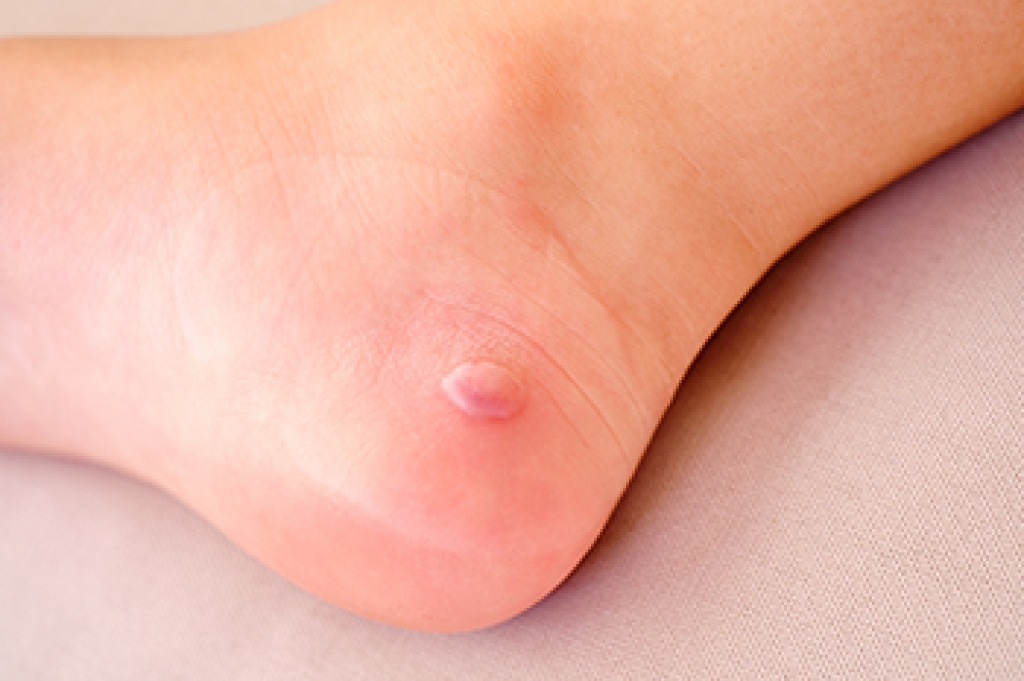
Understanding Foot Blisters

Blisters on the feet can make walking painful and interfere with normal activity. A blister is a fluid-filled swelling that forms within or just under the skin. It usually develops after the outer layer of skin becomes damaged. Fluid then collects beneath that layer and cushions the tissue below. Foot blisters can result from friction, heat, or pressure. Blood blisters form when a small blood vessel near the skin breaks and leaks into the damaged area. A blister containing pus can be a sign of infection and deserves professional attention.

Friction is an important cause of foot blisters. It occurs when skin repeatedly moves against another surface, which can damage the outer layers. Shoes that rub against the heel or toes can create this type of irritation. Pressure and shearing forces can also damage skin. Shearing occurs when the skin stays in place while deeper tissue shifts underneath it. Blisters can also develop after burns or around areas affected by fractures. Fracture blisters can contain clear fluid or blood. They can complicate healing because damaged skin has a greater risk of infection.

A podiatrist can examine a foot blister and determine what caused the skin damage. The evaluation can also identify pressure points, foot-shape concerns, or shoes that are creating repeated friction. Treatment depends on the blister's size, location, and condition. A podiatrist can protect the affected skin, select an appropriate dressing, and address pressure that could interfere with healing. Professional care is especially important when a blister shows signs of infection or occurs near an injury. Patients with recurring blisters can also benefit from an assessment of how their feet move inside their shoes. If you develop frequent foot blisters, it is suggested that you schedule an appointment with a podiatrist for effective relief and prevention tips.

Blisters are prone to making everyday activities extremely uncomfortable. If your feet are hurting, contact Dr. Charles Marchese of Manalapan Foot & Ankle. Our doctor can provide the care you need to keep you pain-free and on your feet.

Foot Blisters

Foot blisters develop as a result of constantly wearing tight or ill-fitting footwear. This happens due to the constant rubbing from the shoe, which can often lead to pain.

What Are Foot Blisters?

A foot blister is a small fluid-filled pocket that forms on the upper-most layer of the skin. Blisters are filled with clear fluid and can lead to blood drainage or pus if the area becomes infected.

How Do Blisters Form?

Blisters on the feet are often the result of constant friction of skin and material, usually by shoe rubbing. Walking in sandals, boots, or shoes that don’t fit properly for long periods of time can result in a blister. Having consistent foot moisture and humidity can easily lead to blister formation.

Prevention & Treatment

It is important to properly care for the affected area in order to prevent infection and ease the pain. Do not lance the blister and use a Band-Aid to provide pain relief. Also, be sure to keep your feet dry and wear proper fitting shoes. If you see blood or pus in a blister, seek assistance from a podiatrist.

If you have any questions, please feel free to contact our office located in Manalapan, NJ . We offer the newest diagnostic and treatment technologies for all your foot care needs.
Read more about Blisters on the Feet