

Manalapan
(732) 845-0100

Morton's Neuroma and Modern Treatment Options for Lasting Relief

Morton's neuroma affects the ball of the foot, most commonly between the third and fourth toes. It involves thickening of the tissue surrounding a nerve, often caused by repeated pressure or irritation. This condition is not a true tumor, but rather a response to chronic stress on the nerve. Activities that place strain on the forefoot, such as running or wearing tight footwear, can contribute to its development. Over time, the nerve becomes inflamed and enlarged, leading to discomfort that can interfere with walking and daily activities. Early understanding of this condition helps guide proper care and prevent worsening symptoms.

Symptoms of Morton's neuroma include a sharp or burning pain in the forefoot, numbness, and tingling that may radiate into the toes. Many individuals describe a sensation similar to standing on a small pebble inside the shoe. Pain often increases with activity or when wearing narrow shoes and may improve with rest. Risk factors include wearing high-heeled footwear, repetitive stress from sports, and foot structure issues such as high arches or flat feet. These factors increase pressure on the nerve and contribute to ongoing irritation that leads to symptom progression.


When conservative care does not provide relief, surgical treatment may be considered. Surgical procedures involve making a small, precise cut in the metatarsal bone to relieve pressure on the affected nerve. By redistributing weight across the forefoot, this technique reduces nerve compression while preserving foot function. Compared to traditional surgery, minimally invasive approaches often result in less tissue disruption, reduced pain, and faster recovery. This makes it an appealing option for individuals seeking effective and efficient treatment.


Recovery from Morton's neuroma treatment depends on the severity of the condition and the chosen intervention. Patients are typically guided through a structured plan that includes a gradual return to activity, proper footwear selection, and support for foot alignment. Addressing underlying risk factors is essential to prevent recurrence. With appropriate care, most individuals experience significant relief and improved mobility. If Morton's neuroma is affecting your daily comfort and activity level, it is suggested that you consult a podiatrist for effective treatment options for lasting relief.

Foot surgery is sometimes necessary to treat a foot ailment. To learn more, contact Dr. Charles Marchese of Manalapan Foot & Ankle. Our doctor will assist you with all of your foot and ankle needs.

When Is Surgery Necessary?

Foot and ankle surgery is generally reserved for cases in which less invasive, conservative procedures have failed to alleviate the problem. Some of the cases in which surgery may be necessary include:

  • Removing foot deformities like bunions and bone spurs
  • Severe arthritis that has caused bone issues
  • Cosmetic reconstruction

What Types of Surgery Are There?

The type of surgery you receive will depend on the nature of the problem you have. Some of the possible surgeries include:

  • Bunionectomy for painful bunions
  • Surgical fusion for realignment of bones
  • Neuropathy decompression surgery to treat nerve damage

Benefits of Surgery

Although surgery is usually a last resort, it can provide more complete pain relief compared to non-surgical methods and may allow you to finally resume full activity.

Surgical techniques have also become increasingly sophisticated. Techniques like endoscopic surgery allow for smaller incisions and faster recovery times.

If you have any questions, please feel free to contact our office located in Manalapan, NJ . We offer the newest diagnostic and treatment technologies for all your foot care needs.

Read more about Foot Surgery

Common Causes of Toe Pain and When to Seek Care

Toe pain can impact mobility and daily activities, making it important to understand its causes and symptoms. This condition refers to any discomfort or pain affecting the toes, which may result from injury, structural deformities, or underlying health issues. Because the toes support balance and forward movement, untreated pain can lead to changes in walking patterns and increased strain on other parts of the foot.

One of the leading causes of toe pain is hammertoe, which creates abnormal bending and pressure within the joint. Arthritis is another common factor, leading to joint inflammation, stiffness, and persistent aching. Neuropathy can cause nerve-related symptoms, such as tingling or burning sensations that often affect both feet. Poor blood circulation may also contribute to toe pain by limiting proper blood flow, which can result in cold toes, color changes, and delayed healing. These conditions may occur individually or together, increasing the severity of symptoms.


Symptoms often include localized pain, swelling, redness, and sensitivity to pressure. Some individuals may experience numbness or a pins and needles sensation due to nerve involvement. Risk factors include prolonged standing, improper footwear, and aging-related changes. Chronic conditions such as diabetes or vascular disease may also contribute. Repetitive stress from walking or exercise can worsen symptoms, especially when combined with poor foot support.


In summary, toe pain has multiple causes that require proper evaluation to determine effective treatment. Addressing symptoms early can help prevent progression and improve foot function. If you have toe pain, it is suggested you consult a podiatrist for an accurate diagnosis and appropriate treatment.

Toe pain can disrupt your daily activities. If you have any concerns, contact Dr. Charles Marchese of Manalapan Foot & Ankle. Our doctor can provide the care you need to keep you pain-free and on your feet.

What Causes Toe Pain?

Most severe toe pain is caused due to a sports injury, trauma from dropping something heavy on the toe, or bumping into something rigid. Other problems can develop over time for various reasons.

Toe pain can be caused by one or more ailments. The most common include:

  • Trauma
  • Sports injury
  • Wearing shoes that are too tight
  • Arthritis
  • Gout
  • Corns and calluses
  • Hammertoe
  • Bunions
  • Blisters
  • Ingrown toenails
  • Sprains
  • Fractures (broken bones)
  • Dislocations

When to See a Podiatrist

  • Severe pain
  • Persistent pain that lasts more than a week
  • Signs of infection
  • Continued swelling
  • Pain that prevents walking

Diagnosis

In many cases the cause of toe pain is obvious, but in others, a podiatrist may want to use more advanced methods to determine the problem. These can range from simple visual inspections and sensation tests to X-rays and MRI scans. Prior medical history, family medical history, and any recent physical traumatic events will all be taken into consideration for a proper diagnosis.

Treatment

Treatments for toe pain and injuries vary and may include shoe inserts, padding, taping, medicines, injections, and in some cases, surgery. If you believe that you have broken a toe, please see a podiatrist as soon as possible.

If you have any questions please contact our office located in Manalapan, NJ . We offer the newest diagnostic and treatment technologies for all your foot and ankle needs.

Read more about Toe Pain

Causes for Top of the Foot Pain

Pain on the top of the foot can develop for several reasons and can make daily activities uncomfortable. One common cause is irritation of the tendons that run along the top of the foot and help lift the toes. This can result from repetitive movement, increased activity, or wearing tight shoes that place pressure on the foot. People often notice aching pain, tenderness, and mild swelling that becomes worse when walking. Arthritis, another possible cause, affects the joints and can lead to pain, stiffness, and reduced movement in the foot. Pain on the top of the foot can also occur when the joints in the middle of the foot become irritated or worn.

Nerve-related problems can also lead to pain on the top of the foot. Peripheral neuropathy, which is nerve damage, can create burning, tingling, or numb feelings. Diabetes is a common cause of this condition. Other causes include vitamin deficiencies and poor circulation. Gout is a form of arthritis caused by a buildup of crystals in joints. Symptoms include sudden pain, redness, and swelling. Some people with gout experience severe discomfort that makes wearing shoes painful.

Injuries are another cause of pain on the top of the foot. Stress fractures are small cracks in a bone that can develop from repeated impact. Midfoot injuries can damage bones and ligaments in the center of the foot. Ligaments are strong bands of tissue that connect bones. These injuries can cause swelling, bruising, and pain when standing or walking. A podiatrist can determine the cause of top-of-foot pain through a physical examination and imaging tests, such as X-rays or MRI scans. Early diagnosis can help prevent further damage and improve comfort while walking. If you have pain in the top of your foot, it is suggested that you make an appointment with a podiatrist for an exam and diagnosis.

Foot Pain

Foot pain can be extremely painful and debilitating. If you have a foot pain, consult with Dr. Charles Marchese from Manalapan Foot & Ankle. Our doctor will assess your condition and provide you with quality foot and ankle treatment.

Causes

Foot pain is a very broad condition that could be caused by one or more ailments. The most common include:

  • Bunions
  • Hammertoes
  • Plantar Fasciitis
  • Bone Spurs
  • Corns
  • Tarsal Tunnel Syndrome
  • Ingrown Toenails
  • Arthritis (such as Gout, Rheumatoid, and Osteoarthritis)
  • Flat Feet
  • Injury (from stress fractures, broken toe, foot, ankle, Achilles tendon ruptures, and sprains)
  • And more

Diagnosis

To figure out the cause of foot pain, podiatrists utilize several different methods. This can range from simple visual inspections and sensation tests to X-rays and MRI scans. Prior medical history, family medical history, and any recent physical traumatic events will all be taken into consideration for a proper diagnosis.

Treatment

Treatment depends upon the cause of the foot pain. Whether it is resting, staying off the foot, or having surgery; podiatrists have a number of treatment options available for foot pain.

If you have any questions, please feel free to contact our office located in Manalapan, NJ . We offer the newest diagnostic and treatment technologies for all your foot care needs.

Read more about Foot Pain

Gout Pain Can Be Managed

Gout is a painful, inflammatory form of arthritis. Those affected will typically feel an intense stiffness in the joints of their feet, particularly in the big toe. Schedule a visit to learn about how gout can be managed and treated.

Why Corns and Calluses Develop

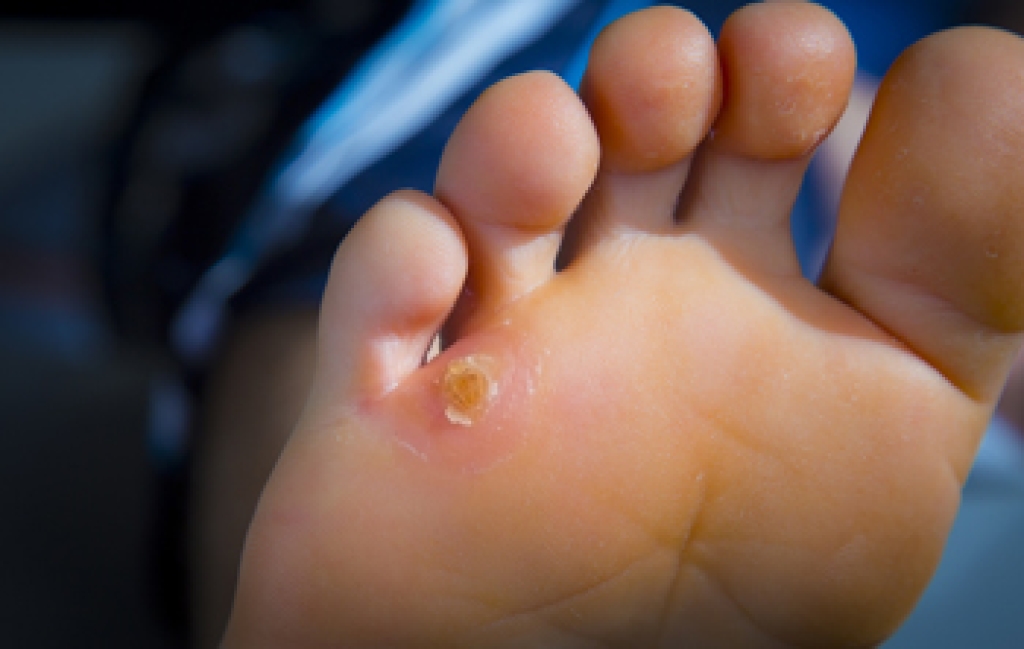
Corns and calluses are areas of thickened skin that form when the foot experiences repeated pressure or friction. This is the body’s way of protecting the skin, but the buildup can become painful. Corns are usually smaller and often develop on or between the toes, while calluses tend to be broader and commonly appear on the bottom of the foot. Wearing poorly fitting shoes, foot deformities, walking mechanics, and repeated stress from daily activity can all contribute. Although these areas may seem minor, ongoing pressure can lead to discomfort, skin breakdown, and difficulty walking, especially in people with diabetes or circulation concerns. Treatment focuses on reducing the source of pressure, improving foot support, and safely managing thickened skin. Simply trimming the skin at home does not address the underlying cause. If painful thickened skin continues to return, it is suggested that you visit a podiatrist for proper evaluation and appropriate treatment.

Corns can make walking very painful and should be treated immediately. If you have questions regarding your feet and ankles, contact Dr. Charles Marchese of Manalapan Foot & Ankle. Our doctor will treat your foot and ankle needs.

Corns: What Are They? And How Do You Get Rid of Them?
Corns are thickened areas on the skin that can become painful. They are caused by excessive pressure and friction on the skin. Corns press into the deeper layers of the skin and are usually round in shape.

Ways to Prevent Corns
There are many ways to get rid of painful corns such as:

  • Wearing properly fitting shoes that have been measured by a professional
  • Wearing shoes that are not sharply pointed or have high heels
  • Wearing only shoes that offer support

Treating Corns

Although most corns slowly disappear when the friction or pressure stops, this isn’t always the case. Consult with your podiatrist to determine the best treatment option for your case of corns.

If you have any questions, please feel free to contact our office located in Manalapan, NJ . We offer the newest diagnostic and treatment technologies for all your foot care needs.
Read more about Everything You Need to Know About Corns