
Manalapan
(732) 845-0100
Manalapan (732) 845-0100

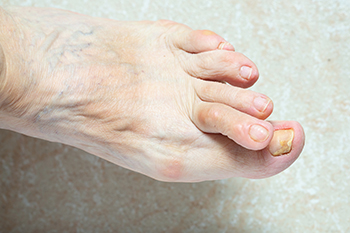
Hammertoe, a common foot deformity characterized by an abnormal bending of one or more toes at the middle joint, can develop due to various factors. First, genetics can play a significant role, as individuals with an inherited foot structure that predisposes them to hammertoes may be more susceptible. The choice of footwear is another critical factor, as tight, narrow, or ill-fitting shoes can force the toes into unnatural positions, subjecting the toe joints to excessive pressure. High-heeled shoes, in particular, can push the toes forward into a bent position, contributing to hammertoe development. Additionally, a toe length discrepancy, where one toe is longer than the others, can increase the risk, especially if it consistently rubs against the inside of the shoe. Conditions like arthritis can also lead to joint inflammation and deformities, including hammertoes. Past toe injuries or trauma can disrupt toe joint alignment, and muscle imbalances affecting toe movement can also play a role. If you have developed a hammertoe, it is suggested that you schedule an appointment with a podiatrist for early intervention and treatment to help manage the condition and prevent it from worsening.
Hammertoes can be a painful condition to live with. For more information, contact Dr. Charles Marchese of Manalapan Foot & Ankle. Our doctor will answer any of your foot- and ankle-related questions.
Hammertoe
Hammertoe is a foot deformity that occurs due to an imbalance in the muscles, tendons, or ligaments that normally hold the toe straight. It can be caused by the type of shoes you wear, your foot structure, trauma, and certain disease processes.
Symptoms
Risk Factors
Treatment
If you have hammertoe, you should change into a more comfortable shoe that provides enough room for your toes. Exercises such as picking up marbles may strengthen and stretch your toe muscles. Nevertheless, it is important to seek assistance from a podiatrist in order to determine the severity of your hammertoe and see which treatment option will work best for you.
If you have any questions, please feel free to contact our offices located in Manalapan, NJ, and Staten Island, NY . We offer the newest diagnostic and treatment technologies for all your foot care needs.

Plantar warts are small growths that develop on parts of the feet that bear weight. They're typically found on the bottom of the foot. Don't live with plantar warts, and call us today!

A broken foot, resulting from various causes such as sports injuries, falls, or accidents, can significantly impact your daily life. With 26 delicate bones in each foot, fractures are common and can lead to changes in physical appearance and movement. Symptoms of a broken foot include sudden or gradual pain, difficulty in bearing weight, swelling, bruising, altered gait pattern, and poor balance. Long-term treatment is needed for effective recovery. It typically involves the use of protective casts, boots, or supportive footwear to shield the foot during the healing process. The healing process for bones usually spans six to eight weeks, though the duration may extend based on the severity of your fracture. Beyond immediate care, rehabilitation exercises play an important role in restoring range of motion, mobility, strength, and balance. Because neglecting proper treatment can result in complications, it is imperative to prioritize comprehensive and sustained care for a broken foot. By adhering to these measures, individuals can optimize the healing process, minimize risks, and regain full functionality, ensuring a smoother road to recovery. If you have broken your foot, it is suggested that you schedule an appointment with a podiatrist as quickly as possible for an exam and appropriate treatment methods,
A broken foot requires immediate medical attention and treatment. If you need your feet checked, contact Dr. Charles Marchese from Manalapan Foot & Ankle. Our doctor can provide the care you need to keep you pain-free and on your feet.
Broken Foot Causes, Symptoms, and Treatment
A broken foot is caused by one of the bones in the foot typically breaking when bended, crushed, or stretched beyond its natural capabilities. Usually the location of the fracture indicates how the break occurred, whether it was through an object, fall, or any other type of injury.
Common Symptoms of Broken Feet:
Those that suspect they have a broken foot shoot seek urgent medical attention where a medical professional could diagnose the severity.
Treatment for broken bones varies depending on the cause, severity and location. Some will require the use of splints, casts or crutches while others could even involve surgery to repair the broken bones. Personal care includes the use of ice and keeping the foot stabilized and elevated.
If you have any questions please feel free to contact our offices located in Manalapan, NJ, and Staten Island, NY . We offer the newest diagnostic and treatment technologies for all your foot and ankle needs.

Navigating a child's heel pain, particularly in the context of Sever's disease, demands careful attention. This condition primarily targets children during their adolescent growth spurts, typically affecting girls aged 8 to 13 and boys aged 10 to 15. As children grow, their bones elongate from growth plates, soft areas of cartilage near the ends of bones, which eventually solidify. Sever’s disease arises when the calf muscle and Achilles tendon excessively pull on the immature heel bone, which continues to develop until approximately age 15. Athletes engaged in high-impact sports face a higher risk for Sever's disease, but less active children can also be affected. Symptoms include pain on the sides or margins of the heel, which may increase with activities like standing on tiptoes or running. Diagnosis relies on symptoms, as X-rays cannot confirm Sever's disease but may rule out other causes. While symptoms may persist for several months, prompt recognition and appropriate intervention can help children effectively manage and alleviate the heel pain associated with Sever’s disease. For help in managing your child’s heel pain, it is suggested that you schedule an appointment with a podiatrist.
Sever's disease often occurs in children and teens. If your child is experiencing foot or ankle pain, see Dr. Charles Marchese from Manalapan Foot & Ankle. Our doctor can treat your child’s foot and ankle needs.
Sever’s Disease
Sever’s disease is also known as calcaneal apophysitis, which is a medical condition that causes heel pain I none or both feet. The disease is known to affect children between the ages of 8 and 14.
Sever’s disease occurs when part of the child’s heel known as the growth plate (calcaneal epiphysis) is attached to the Achilles tendon. This area can suffer injury when the muscles and tendons of the growing foot do not keep pace with bone growth. Therefore, the constant pain which one experiences at the back of the heel will make the child unable to put any weight on the heel. The child is then forced to walk on their toes.
Symptoms
Acute pain – Pain associated with Sever’s disease is usually felt in the heel when the child engages in physical activity such as walking, jumping and or running.
Highly active – Children who are very active are among the most susceptible in experiencing Sever’s disease, because of the stress and tension placed on their feet.
If you have any questions, please feel free to contact our offices located in Manalapan, NJ, and Staten Island, NY . We offer the newest diagnostic and treatment technologies for all your foot and ankle injuries.

The ankle, which is the junction of the tibia, fibula, and talus bones, is susceptible to fractures that stem from the pounding associated with activities such as running and jumping. Symptoms of an ankle fracture are often similar to those of severe sprains. Individuals may report immediate, intense pain spanning from the foot to the knee, as well as localized swelling, bruising, tenderness, and difficulty in bearing weight. Walking can become painful or impossible. Distinguishing ankle fractures from severe sprains can be complicated. For that reason, diagnostic imaging tests are needed. X-rays, encompassing anteroposterior, lateral, and mortise views play a pivotal role in the diagnostic process. It is also essential to look for secondary fractures, as the presence of one may indicate the possibility of others. In cases requiring a deeper understanding, CT and MRI scans may prove invaluable, particularly for detecting talar fractures and assessing ligament injuries. Early recognition of ankle fracture symptoms and timely medical intervention help to safeguard both immediate and long-term ankle joint health. If you have severely injured your ankle, it is suggested that you schedule an emergency appointment with a podiatrist for a thorough evaluation and precise diagnosis before treatment can begin.
Broken ankles need immediate treatment. If you are seeking treatment, contact Dr. Charles Marchese from Manalapan Foot & Ankle. Our doctor can provide the care you need to keep you pain-free and on your feet.
Broken Ankles
A broken ankle is experienced when a person fractures their tibia or fibula in the lower leg and ankle area. Both of these bones are attached at the bottom of the leg and combine to form what we know to be our ankle.
When a physician is referring to a break of the ankle, he or she is usually referring to a break in the area where the tibia and fibula are joined to create our ankle joint. Ankles are more prone to fractures because the ankle is an area that suffers a lot of pressure and stress. There are some obvious signs when a person experiences a fractured ankle, and the following symptoms may be present.
Symptoms of a Fractured Ankle
If you suspect an ankle fracture, it is recommended to seek treatment as soon as possible. The sooner you have your podiatrist diagnose the fracture, the quicker you’ll be on the way towards recovery.
If you have any questions, please feel free to contact our offices located in Manalapan, NJ, and Staten Island, NY . We offer the newest diagnostic and treatment technologies for all your foot care needs.

If you are suffering from tenderness, pain, or stiffness in the joints of your feet or ankles, call us to schedule an appointment.
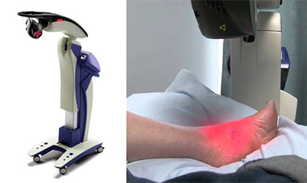
MLS, or Multiwave Locked System laser therapy, is an advanced and non-invasive medical technique that utilizes laser light to stimulate the body's natural healing processes. The therapy involves the use of dual wavelengths of light to penetrate tissues, reducing pain and inflammation while accelerating the healing of damaged cells. MLS laser therapy finds applications across various medical fields. It is often employed to address chronic and acute musculoskeletal conditions, such as arthritis, tendonitis, and sports-related injuries. The therapy works by improving blood flow to the affected area and promoting the production of endorphins, the body's natural painkillers. This leads to reduced pain, increased mobility, and enhanced tissue repair. In addition to pain management, MLS laser therapy is utilized in wound healing, post-operative recovery, and foot conditions. Its non-invasive nature and minimal side effects make it a valuable option for those seeking relief from various medical conditions. Understanding the definition and applications of MLS laser therapy sheds light on its significance in modern healthcare, offering an alternative approach to pain relief and healing. If you are interested in learning more about MLS laser therapy to treat your foot condition, it is suggested that you consult a podiatrist who can determine if this treatment method is right for you.
MLS Laser Therapy is a successful alternative for treating any pain you may be experiencing related to certain podiatric conditions. If you are interested in MLS Laser Therapy, consult with Dr. Charles Marchese from Manalapan Foot & Ankle. Our doctor will assess your condition and provide you with quality foot and ankle treatment.
MLS Laser Therapy
Multiwave Locked System (MLS) Laser Therapy is a patented, FDA-cleared technology that helps relieve pain and inflammation from a number of podiatric conditions, including:
MLS Laser Therapy is an ideal alternative to surgery and prescription medication, as it has no negative side effects and encourages accelerated healing. Among its many clinical benefits, MLS Laser Therapy also:
If you have any questions, please feel free to contact our offices located in Manalapan, NJ, and Staten Island, NY . We offer the newest diagnostic and treatment technologies for all your foot care needs.


Copyright © Manalapan Foot & Ankle | Site Map | Nondiscrimination | Design by: Podiatry Content Connection
