
Manalapan
(732) 845-0100
Manalapan (732) 845-0100

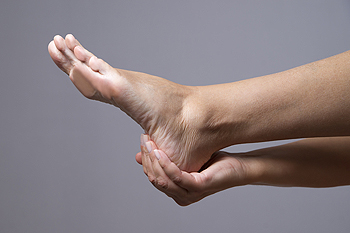 Foot pain can be a very debilitating condition to experience. First, however, it is important to figure out what is causing it. Plantar fasciitis is one of the most common causes of heel pain. Standing for long periods of time and overuse can cause the plantar fascia to become inflamed. Plantar fasciitis can affect anyone. Thankfully there are a number of treatments available for heel pain, with many of them being very easy to do. Keeping pressure off the feet, resting, and avoiding overuse can improve the condition of many who suffer from plantar fasciitis. Another method for treating heel pain includes buying a new pair of well-fitted shoes. Look for a pair that is not too tight or loose for your feet. Shoes should also have enough space in the toe box for your toes to wiggle around. Finally, look for a pair that is comfortable and that would be fine to wear for long periods of time. If you have heel or general foot pain that will not go away, see a podiatrist for a diagnosis and proper treatment.
Many people suffer from bouts of heel pain. For more information, contact Dr. Charles Marchese of Manalapan Foot & Ankle. Our doctor can provide the care you need to keep you pain-free and on your feet.
Causes of Heel Pain
Heel pain is often associated with plantar fasciitis. The plantar fascia is a band of tissues that extends along the bottom of the foot. A rip or tear in this ligament can cause inflammation of the tissue.
Achilles tendonitis is another cause of heel pain. Inflammation of the Achilles tendon will cause pain from fractures and muscle tearing. Lack of flexibility is also another symptom.
Heel spurs are another cause of pain. When the tissues of the plantar fascia undergo a great deal of stress, it can lead to ligament separation from the heel bone, causing heel spurs.
Why Might Heel Pain Occur?
Treatments
Heel pain should be treated as soon as possible for immediate results. Keeping your feet in a stress-free environment will help. If you suffer from Achilles tendonitis or plantar fasciitis, applying ice will reduce the swelling. Stretching before an exercise like running will help the muscles. Using all these tips will help make heel pain a condition of the past.
If you have any questions please contact our offices located in Manalapan, NJ, and Staten Island, NY . We offer the newest diagnostic and treatment technologies for all your foot and ankle needs.
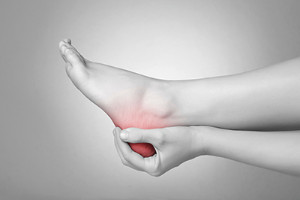 Plantar fasciitis and heel pain can both be very painful and uncomfortable. While stretching won’t eliminate the pain, it can help mitigate it. Some stretches that you can perform include the quadruped stretch, isolated calf raise, and even a foot massage. Before you do these, ask your podiatrist whether stretching is right for you. To do a quadruped stretch, get on all fours and spread your toes on the floor. Next, lean back slowly and sit on your heels while holding this position for 30 seconds. For isolated calf raises, lunge with your left leg forward and right leg back. Then, with your right foot flat, lift up onto the ball of your right foot. Do this for 10-15 reps on each side and for three repetitions. To massage your foot, push down on the center of the bottom of the foot and use a circular motion while applying pressure. These stretches will not eliminate plantar fasciitis and are only meant to temporarily reduce pain. If you have heel pain, it is recommended that you see a podiatrist who can offer effective treatment strategies.
Plantar fasciitis can be very painful and inconvenient. If you are experiencing heel pain or symptoms of plantar fasciitis, contact Dr. Charles Marchese from Manalapan Foot & Ankle. Our doctor can provide the care you need to keep you pain-free and on your feet.
What Is Plantar Fasciitis?
Plantar fasciitis is the inflammation of the thick band of tissue that runs along the bottom of your foot, known as the plantar fascia, and causes mild to severe heel pain.
What Causes Plantar Fasciitis?
How Can It Be Treated?
While very treatable, plantar fasciitis is definitely not something that should be ignored. Especially in severe cases, speaking to your doctor right away is highly recommended to avoid complications and severe heel pain. Your podiatrist can work with you to provide the appropriate treatment options tailored to your condition.
If you have any questions please feel free to contact our offices located in Manalapan, NJ, and Staten Island, NY . We offer the newest diagnostic and treatment technologies for all your foot and ankle needs.
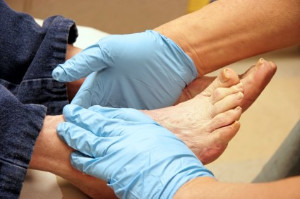 While the relationship between diabetes and the feet may not seem important to most people, it is of the utmost concern. Diabetics generally suffer from poor blood circulation and neuropathy, or nerve loss. Due to the loss of sensation associated with neuropathy, diabetics may not realize when they have a foot ulcer. The wound may also become infected due to the poor blood circulation and improper healing. Amputations are not uncommon because of diabetes, and awareness of this issue is vital to those who have the condition. Diabetics should inspect their feet daily for wounds, splinters, or any abnormalities. If you have diabetes, avoid going barefoot and wear well-cushioned footwear that provides optimal foot support and wiggle room for the toes. Finally, it is highly recommended to see a podiatrist for a foot examination at least once a year.
Diabetic foot care is important in preventing foot ailments such as ulcers. If you are suffering from diabetes or have any other concerns about your feet, contact Dr. Charles Marchese from Manalapan Foot & Ankle. Our doctor can provide the care you need to keep you pain-free and on your feet.
Diabetic Foot Care
Diabetes affects millions of people every year. The condition can damage blood vessels in many parts of the body, especially the feet. Because of this, taking care of your feet is essential if you have diabetes, and having a podiatrist help monitor your foot health is highly recommended.
The Importance of Caring for Your Feet
Patients with diabetes should have their doctor monitor their blood levels, as blood sugar levels play such a huge role in diabetic care. Monitoring these levels on a regular basis is highly advised.
It is always best to inform your healthcare professional of any concerns you may have regarding your feet, especially for diabetic patients. Early treatment and routine foot examinations are keys to maintaining proper health, especially because severe complications can arise if proper treatment is not applied.
If you have any questions please feel free to contact our offices located in Manalapan, NJ, and Staten Island, NY . We offer the newest diagnostic and treatment technologies for all your foot and ankle needs.
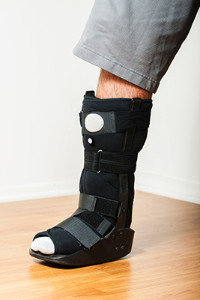 The New York Giants are getting off badly with a number of foot injuries. Defensive end Evan Schwan broke his foot during the recent Giants vs Jets game. Teammate Eli Apple suffered an ankle injury during the same game, while Odell Beckham sprained his ankle the week prior. Just how long Schwan will be out is unknown, but it is speculated that he may potentially be out for the entire season. Unfortunately, the play which caused Schwan’s injury was not originally planned for the game. Officials were reviewing the previous play but had not stopped the game or told the coaches. Ordinarily the game would’ve paused until a ruling came forward; this could have potentially prevented the injury.
Sports related foot and ankle injuries require proper treatment before players can go back to their regular routines. For more information, contact Dr. Charles Marchese of Manalapan Foot & Ankle. Our doctor can provide the care you need to keep you pain-free and on your feet.
Sports Related Foot and Ankle Injuries
Foot and ankle injuries are a common occurrence when it comes to athletes of any sport. While many athletes dismiss the initial aches and pains, the truth is that ignoring potential foot and ankle injuries can lead to serious problems. As athletes continue to place pressure and strain the area further, a mild injury can turn into something as serious as a rupture and may lead to a permanent disability. There are many factors that contribute to sports related foot and ankle injuries, which include failure to warm up properly, not providing support or wearing bad footwear. Common injuries and conditions athletes face, including:
Sports related injuries are commonly treated using the RICE method. This includes rest, applying ice to the injured area, compression and elevating the ankle. More serious sprains and injuries may require surgery, which could include arthroscopic and reconstructive surgery. Rehabilitation and therapy may also be required in order to get any recovering athlete to become fully functional again. Any unusual aches and pains an athlete sustains must be evaluated by a licensed, reputable medical professional.
If you have any questions please feel free to contact our offices located in Manalapan, NJ, and Staten Island, NY . We offer the newest diagnostic and treatment technologies for all your foot and ankle needs.
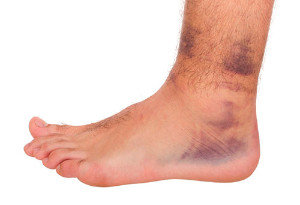 Houston Texans wide receiver Braxton Miller recently sustained a mild ankle sprain. Miller suffered the injury during the last game against the Carolina Panthers, and the extent and severity of the injury was unknown until now. Mild sprained ankles are common among athletes, but with proper care can easily be healed. It is unfortunate that Miller was injured. However, his outlook is seen as good, and he should be back on the field soon.
Ankle sprains are common but need immediate attention. If you need your feet checked, contact Dr. Charles Marchese from Manalapan Foot & Ankle. Our doctor can provide the care you need to keep you pain-free and on your feet.
How Does an Ankle Sprain Occur?
Ankle sprains take place when the ligaments in your ankle are torn or stretched beyond their limits. There are multiple ways that the ankle can become injured, including twisting or rolling over onto your ankle, putting undue stress on it, or causing trauma to the ankle itself.
What Are the Symptoms?
Preventing a Sprain
Treatment of a Sprain
Treatment of a sprain depends on the severity. Many times, people are told to rest and remain off their feet completely, while others are given an air cast. If the sprain is very severe, surgery may be required.
If you have suffered an ankle sprain previously, you may want to consider additional support such as a brace and regular exercises to strengthen the ankle.
If you have any questions please feel free to contact our offices located in Manalapan, NJ, and Staten Island, NY . We offer the newest diagnostic and treatment technologies for all your foot and ankle needs.
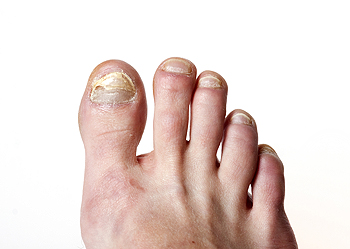 Toenail fungus is a type of disease that can cause your feet to look very unattractive. It can cause your nails to turn yellow in color and to thicken into an unnatural shape. The fungus can also make your nails very brittle, which may cause them to break off more easily. Fungi thrive well on the toes because they are often moist and warm, which are optimum living conditions for these organisms. An untreated toenail fungus can easily spread to other nails, including the fingernails, so it is important to get toenail fungus treated as soon as possible. Also, keep your body clean and healthy so you can prevent yourself from developing any sort of fungal infection.
For more information about treatment, contact Dr. Charles Marchese of Manalapan Foot & Ankle. Our doctor can provide the care you need to keep you pain-free and on your feet.
Toenail Fungus Treatment
Toenail fungus is a condition that affects many people and can be especially hard to get rid of. Fortunately, there are several methods to go about treating and avoiding it.
Antifungals & Deterrence
Oral antifungal medicine has been shown to be effective in many cases. It is important to consult with a podiatrist to determine the proper regiment for you, or potentially explore other options.
Applying foot powder on the feet and shoes helps keep the feet free of moisture and sweat.
Sandals or open toed shoes – Wearing these will allow air movement and help keep feet dry. They also expose your feet to light, which fungus cannot tolerate. Socks with moisture wicking material also help as well.
If you have any questions please feel free to contact our offices located in Manalapan, NJ, and Staten Island, NY . We offer the newest diagnostic tools and technology to treat your foot and ankle needs.
Read more about Toenail Fungus Dancers spend a lot of time on their feet, and it is important that they know how to take care of them in order to prevent injuries. One of the best ways to prevent injury is to wear appropriate shoes that will take the pressure off your feet. If you are looking to maintain strong feet, you can try doing some stretches to improve your stability and strength. Some exercises that you may find helpful are calf muscle stretches and resistance band exercises. Nevertheless, if you suspect that you have any sort of lingering pain in your feet, you should seek help from your podiatrist right away.
Everyday foot care is very important to prevent infection and other foot ailments. If you need your feet checked, contact Dr. Charles Marchese from Manalapan Foot & Ankle. Our doctor can provide the care you need to keep you pain-free and on your feet.
Everyday Foot Care
Often, people take care of their bodies, face and hair more so than they do for their feet. But the feet are a very important aspect of our bodies, and one that we should pay more attention to. Without our feet, we would not be able to perform most daily tasks.
It is best to check your feet regularly to make sure there are no new bruises or cuts that you may not have noticed before. For dry feet, moisturizer can easily be a remedy and can be applied as often as necessary to the affected areas. Wearing shoes that fit well can also help you maintain good foot health, as well as making it easier to walk and do daily activities without the stress or pain of ill-fitting shoes, high heels, or even flip flops. Wearing clean socks with closed shoes is important to ensure that sweat and bacteria do not accumulate within the shoe. Clean socks help to prevent Athlete’s foot, fungi problems, bad odors, and can absorb sweat.
If you have any questions please feel free to contact our offices located in Manalapan, NJ, and Staten Island, NY . We offer the newest diagnostic and treatment technologies for all your foot and ankle needs.


Copyright © Manalapan Foot & Ankle | Site Map | Nondiscrimination | Design by: Podiatry Content Connection
