
Manalapan
(732) 845-0100
Manalapan (732) 845-0100

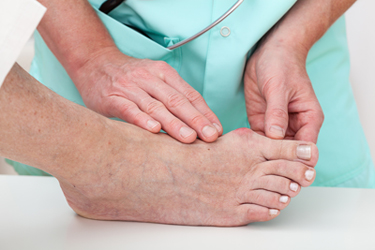 As a bunion develops, there is generally minimal discomfort that is experienced. The bony growth that appears on the bottom of the big toe will grow in size, and the amount of pain encountered will often increase in relation to the size of the bunion. High heels can often exacerbate an existing bunion because they limit the room toes have to move freely around. The toes are forced to endure pressure, causing the joint under the big toe to shift outward. Additional causes of bunions may include trauma and injuries the foot may have encountered or a predisposed inherited gene that may have affected the structure of the foot. Wearing appropriate footwear can help increase comfort and reduce pain that may be felt, while also allowing for ample toe room. If you suspect that you have a bunion, see a podiatrist for a proper diagnosis and treatment options.
If you are suffering from bunion pain, contact Dr. Charles Marchese of Manalapan Foot & Ankle. Our doctor can provide the care you need to keep you pain-free and on your feet.
What Is a Bunion?
Bunions are painful bony bumps that usually develop on the inside of the foot at the joint of the big toe. As the deformity increases over time, it may become painful to walk and wear shoes. Women are more likely to exacerbate existing bunions since they often wear tight, narrow shoes that shift their toes together. Bunion pain can be relieved by wearing wider shoes with enough room for the toes.
Causes
Symptoms
In order to diagnose your bunion, your podiatrist may ask about your medical history, symptoms, and general health. Your doctor might also order an x-ray to take a closer look at your feet. Nonsurgical treatment options include orthotics, padding, icing, changes in footwear, and medication. If nonsurgical treatments don’t alleviate your bunion pain, surgery may be necessary.
If you have any questions, please feel free to contact our offices located in Manalapan, NJ, and Staten Island, NY . We offer the newest diagnostic and treatment technologies for all your foot care needs.
Read more about Bunions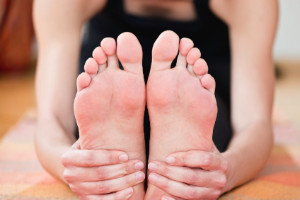 There are many benefits in stretching the feet and toes, including improved posture and the ability to maintain balance in certain yoga poses and in everyday activities. Learning how to stretch the toes can aid in developing the feeling of being centered and can potentially help one attain overall personal power. Stretching can easily be achieved by using pedicure separators that are often worn in nail salons or by sitting on the floor and and stretching the toes on one foot with your opposite hand, then repeating on the other side. Pointing and flexing the toes, in addition to rotating the ankles, is beneficial in maintaining strength in the entire foot. This can help make performing everyday activities easier. Please consult a podiatrist for additional information about the benefits of performing stretching exercises for the feet.
Stretching the feet is a great way to prevent injuries. If you have any concerns with your feet consult with Dr. Charles Marchese from Manalapan Foot & Ankle. Our doctor will assess your condition and provide you with quality foot and ankle treatment.
Stretching the Feet
Stretching the muscles in the foot is an important part in any physical activity. Feet that are tight can lead to less flexibility and make you more prone to injury. One of the most common forms of foot pain, plantar fasciitis, can be stretched out to help ease the pain. Stretching can not only ease pain from plantar fasciitis but also prevent it as well. However, it is important to see a podiatrist first if stretching is right for you. Podiatrists can also recommend other ways to stretch your feet. Once you know whether stretching is right for you, here are some excellent stretches you can do.
It is best to go easy when first stretching your foot and work your way up. If your foot starts hurting, stop exercising and ice and rest the foot. It is advised to then see a podiatrist for help.
If you have any questions, please feel free to contact our offices located in Manalapan, NJ, and Staten Island, NY . We offer the newest diagnostic and treatment technologies for all your foot care needs.
Read more about Stretching Your Feet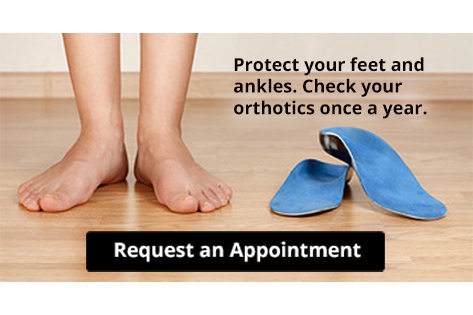
Custom orthotics, or shoe inserts, should be periodically replaced. Orthotics must fit properly to give you the best results. Protect your feet and ankles!
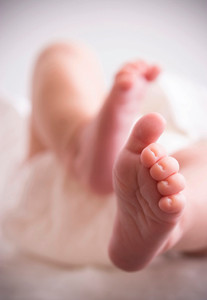 The majority of children are born with flat feet, and the foot does not fully develop until the teenage years. Recent research has shown there are benefits of encouraging your child to walk without shoes as often as possible. These include the ability to exercise the muscles in the feet by pointing and flexing the toes. The average age a child begins to walk is 12 months, and it’s important to measure the feet properly for the correct fit. Essential traits to look for when buying children’s shoes include noticing if the shoes have rubber soles, Velcro, or laces. The rubber soles may prevent skidding, and the Velcro or laces will properly support the foot. Children’s feet grow rapidly, and it’s suggested to obtain a proper measurement every so often as your child grows. Common foot ailments that affect children may include blisters, which typically results from poorly fitting shoes. If you notice symptoms of itchy feet, your child may have athlete’s foot. Please consult with a podiatrist to learn more about proper foot care for children.
Making sure that your children maintain good foot health is very important as they grow. If you have any questions, contact Dr. Charles Marchese of Manalapan Foot & Ankle. Our doctor can provide the care you need to keep you pain-free and on your feet.
Keeping Children's Feet Healthy
Having healthy feet during childhood can help prevent medical problems later in life, namely in the back and legs. As children grow, their feet require different types of care. Here are some things to consider...
Although babies do not walk yet, it is still very important to take care of their feet.
Avoid putting tight shoes or socks on his or her feet.
Allow the baby to stretch and kick his or her feet to feel comfortable.
As a toddler, kids are now on the move and begin to develop differently. At this age, toddlers are getting a feel for walking, so don’t be alarmed if your toddler is unsteady or ‘walks funny’.
As your child gets older, it is important to teach them how to take care of their feet.
Show them proper hygiene to prevent infections such as fungus.
Be watchful for any pain or injury.
Have all injuries checked by a doctor as soon as possible.
Comfortable, protective shoes should always be worn, especially at play.
If you have any questions please feel free to contact our offices located in Manalapan, NJ, and Staten Island, NY . We offer the newest diagnostic and treatment technologies for all your foot and ankle needs.
Read more about What to Do to Keep Your Child’s Feet Healthy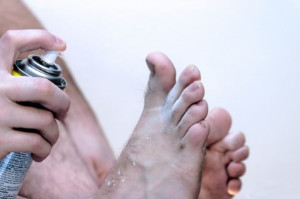 If you experience a fungus that affects your feet, you may have what is referred to as athlete’s foot. Common symptoms of this condition may include itching, blistering, or cracked skin. If you develop athlete’s foot, it’s advised to seek treatment as soon as possible so infection can be prevented. The fungus typically thrives in moist environments, and may live on shower room floors or in public pools. Athlete’s foot can easily spread, and it’s recommended that shower shoes are worn to possibly prevent this fungus from entering the skin. Additional preventive measures may include washing the feet and drying thoroughly between the toes, using a powder to absorb excessive moisture, and avoiding wearing shoes that fit incorrectly. If you have athlete’s foot, please consult with a podiatrist for additional information about prevention and treatment options.
Athlete’s foot is an inconvenient condition that can be easily reduced with the proper treatment. If you have any concerns about your feet and ankles, contact Dr. Charles Marchese from Manalapan Foot & Ankle. Our doctor will treat your foot and ankle needs.
Athlete’s Foot: The Sole Story
Athlete's foot, also known as tinea pedis, can be an extremely contagious foot infection. It is commonly contracted in public changing areas and bathrooms, dormitory style living quarters, around locker rooms and public swimming pools, or anywhere your feet often come into contact with other people.
Solutions to Combat Athlete’s Foot
Athlete’s foot can cause many irritating symptoms such as dry and flaking skin, itching, and redness. Some more severe symptoms can include bleeding and cracked skin, intense itching and burning, and even pain when walking. In the worst cases, Athlete’s foot can cause blistering as well. Speak to your podiatrist for a better understanding of the different causes of Athlete’s foot, as well as help in determining which treatment options are best for you.
If you have any questions please feel free to contact our offices located in Manalapan, NJ, and Staten Island, NY . We offer the newest diagnostic and treatment technologies for all your foot and ankle needs.
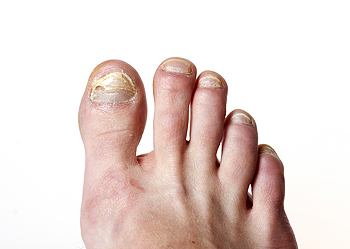 There are several early signs that can indicate you may have toenail fungus. Such indicators may include the nails becoming thick and yellowed, and may crumble when touched. An infection is likely to develop if the nail is left untreated, allowing the fungus to grow. The aging process may be a factor in developing this ailment, in addition to having poor blood circulation. Medical conditions such as eczema, psoriasis, or athlete’s foot allow easier access for the fungus to enter the body through the tiny openings in the skin these conditions may cause. Toenail fungus lives in moist environments, and socks and shoes that are worn without proper ventilation make it ideal for this fungus to grow. There are several ways to prevent this condition from developing, and these may include trimming the nails straight across, wearing appropriate shoes in public showers or pools, and utilizing a moisturizer to prevent cracked skin. A consultation with a podiatrist is suggested for a complete diagnosis and possible treatment options that are right for you.
For more information about treatment, contact Dr. Charles Marchese of Manalapan Foot & Ankle. Our doctor can provide the care you need to keep you pain-free and on your feet.
Toenail Fungus Treatment
Toenail fungus is a condition that affects many people and can be especially hard to get rid of. Fortunately, there are several methods to go about treating and avoiding it.
Antifungals & Deterrence
Oral antifungal medicine has been shown to be effective in many cases. It is important to consult with a podiatrist to determine the proper regiment for you, or potentially explore other options.
Applying foot powder on the feet and shoes helps keep the feet free of moisture and sweat.
Sandals or open toed shoes – Wearing these will allow air movement and help keep feet dry. They also expose your feet to light, which fungus cannot tolerate. Socks with moisture wicking material also help as well.
If you have any questions please feel free to contact our offices located in Manalapan, NJ, and Staten Island, NY . We offer the newest diagnostic tools and technology to treat your foot and ankle needs.


Copyright © Manalapan Foot & Ankle | Site Map | Nondiscrimination | Design by: Podiatry Content Connection
