
Manalapan
(732) 845-0100
Manalapan (732) 845-0100


Have your child's feet been examined lately? Healthy feet are happy feet. If your child is complaining of foot pain, it may be a sign of underlying problems.
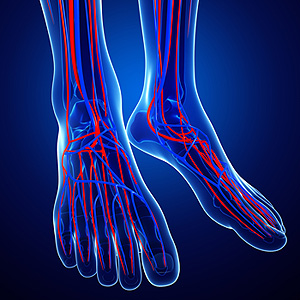 There are several reasons why patients may experience poor circulation in the feet. These can include the aging process, having blood clots, or possibly from living in a cold environment. Additional reasons can consist of smoking, leading a sedentary lifestyle, or living with medical conditions such as diabetes. Some of the symptoms that are associated with poor circulation can consist of a tingling or numbing sensation, swelling, and the feet may look discolored. This condition may be improved by implementing a healthy lifestyle that includes frequently exercising and eating fresh fruits and vegetables. Many patients find it helpful to elevate the feet during the day, as this may help to reduce existing swelling. If you have symptoms of poor circulation in the feet, please consult with a podiatrist as quickly as possible who can help you to manage this condition.
Poor circulation is a serious condition and needs immediate medical attention. If you have any concerns with poor circulation in your feet contact Dr. Charles Marchese of Manalapan Foot & Ankle. Our doctor will treat your foot and ankle needs.
Poor Circulation in the Feet
Poor blood circulation in the feet and legs is can be caused by peripheral artery disease (PAD), which is the result of a buildup of plaque in the arteries.
Plaque buildup or atherosclerosis results from excess calcium and cholesterol in the bloodstream. This can restrict the amount of blood which can flow through the arteries. Poor blood circulation in the feet and legs are sometimes caused by inflammation in the blood vessels, known as vasculitis.
Causes
Lack of oxygen and oxygen from poor blood circulation restricts muscle growth and development. It can also cause:
Those who have diabetes or smoke are at greatest risk for poor circulation, as are those who are over 50. If you have poor circulation in the feet and legs it may be caused by PAD and is important to make changes to your lifestyle in order to reduce risk of getting a heart attack or stroke. Exercise and maintaining a healthy lifestyle will dramatically improve conditions.
As always, see a podiatrist as he or she will assist in finding a regimen that suits you. A podiatrist can also prescribe you any needed medication.
If you have any questions please feel free to contact our offices located in Manalapan, NJ, and Staten Island, NY . We offer the newest diagnostic and treatment technologies for all your foot and ankle needs.
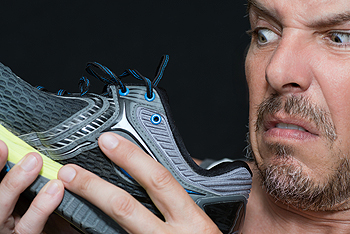 Plantar hyperhidrosis is defined as excessive sweating of the feet. This is typically an uncomfortable condition, and it can cause difficulty in completing daily activities. The feet may emit an unpleasant odor, making many patients embarrassed to have this condition. This ailment can develop for a variety of reasons. These may include genetic factors, menopause, or possibly from having a thyroid disorder. Additionally, it can develop from taking specific medications that may include antidepressants. If you have plantar hyperhidrosis, it is strongly advised that you seek the counsel of a podiatrist who can properly guide you toward beginning the correct treatment techniques.
If you are suffering from hyperhidrosis contact Dr. Charles Marchese of Manalapan Foot & Ankle. Our doctor can provide the care you need to attend to all of your foot and ankle needs.
Hyperhidrosis of the Feet
Hyperhidrosis is a rare disorder that can cause people to have excessive sweating of their feet. This can usually occur all on its own without rigorous activity involved. People who suffer from hyperhidrosis may also experience sweaty palms.
Although it is said that sweating is a healthy process meant to cool down the body temperature and to maintain a proper internal temperature, hyperhidrosis may prove to be a huge hindrance on a person’s everyday life.
Plantar hyperhidrosis is considered to be the main form of hyperhidrosis. Secondary hyperhidrosis can refer to sweating that occurs in areas other than the feet or hands and armpits. Often this may be a sign of it being related to another medical condition such as menopause, hyperthyroidism and even Parkinson’s disease.
In order to alleviate this condition, it is important to see your doctor so that they may prescribe the necessary medications so that you can begin to live a normal life again. If this is left untreated, it is said that it will persist throughout an individual’s life.
A last resort approach would be surgery, but it is best to speak with your doctor to find out what may be the best treatment for you.
If you have any questions please feel free to contact our offices located in Manalapan, NJ, and Staten Island, NY . We offer the newest diagnostic and treatment technologies for all your foot and ankle needs.
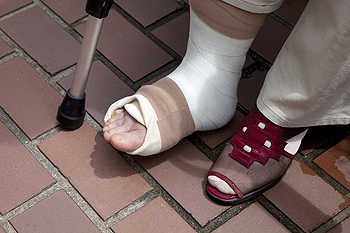 A broken foot, or foot fracture, generally occurs as a result of falling, or if a heavy object has dropped on the foot. This is considered to be a common injury, and there are noticeable symptoms that often accompany this type of fracture. These can include severe pain and discomfort, an abnormal foot shape, swelling, and it may be difficult to move your foot. A proper diagnosis is needed in order to confirm a broken foot has occurred. This consists of having an X-ray, CT scan, or MRI taken. At this point, proper treatment can begin, which involves wearing a boot, cast, or splint. Any of these options may be helpful in providing the stability that is needed as the healing process takes place. Moderate relief may be found when the affected foot is elevated, as this may help to reduce existing swelling. If you have broken your foot, please consult with a podiatrist as quickly as possible so they can determine what the best course of treatment is for you.
A broken foot requires immediate medical attention and treatment. If you need your feet checked, contact Dr. Charles Marchese from Manalapan Foot & Ankle. Our doctor can provide the care you need to keep you pain-free and on your feet.
Broken Foot Causes, Symptoms, and Treatment
A broken foot is caused by one of the bones in the foot typically breaking when bended, crushed, or stretched beyond its natural capabilities. Usually the location of the fracture indicates how the break occurred, whether it was through an object, fall, or any other type of injury.
Common Symptoms of Broken Feet:
Those that suspect they have a broken foot shoot seek urgent medical attention where a medical professional could diagnose the severity.
Treatment for broken bones varies depending on the cause, severity and location. Some will require the use of splints, casts or crutches while others could even involve surgery to repair the broken bones. Personal care includes the use of ice and keeping the foot stabilized and elevated.
If you have any questions please feel free to contact our offices located in Manalapan, NJ, and Staten Island, NY . We offer the newest diagnostic and treatment technologies for all your foot and ankle needs.

Plantar warts are small growths that develop on parts of the feet that bear weight. They're typically found on the bottom of the foot. Don't live with plantar warts, and call us today!
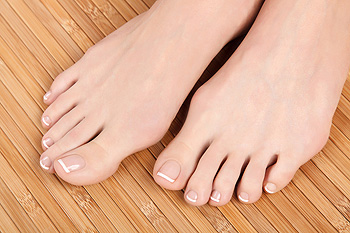 Keep your feet healthy. This is the perfect time to pay attention to your feet and make sure your feet are in great shape.
Have your feet examined for early symptoms that can reveal abnormalities, such as diabetes, vascular problems, or arthritis. Check your arch. If your arch is lowering, this can lead to biomechanical problems and eventual collapse. This can be prevented with early intervention and by avoiding abnormalities that result from flat feet. Foot pain is never normal. If you’re in pain, don’t ignore it; your feet are trying to tell you something. Check skin and nails for signs of infection or other abnormalities. Excessive dryness, redness, or cracking of skin or nails might be a sign of an underlying medical issue. Thickening and yellow nails are abnormal; these can be a result of a local infection or a systemic problem.
It won’t be long until it’s sandal season, and you’ll want your feet to be beach and sandal ready. It’s never too early to treat problems to make sure you look good in sandals and on the beach.
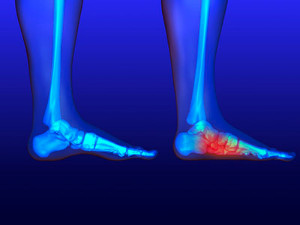 Flat feet is a common ailment among many people. Most babies are born with flat feet, and the arch will generally develop during the early teenage years. It is defined as a condition where the arch is absent from the foot. This can be noticed while standing, if the entire foot touches the floor. Many patients who have flat feet have little or no symptoms. Other patients may find they have trouble walking, and their feet may feel stiff and weak. Moderate relief may be found when shoes that are worn fit properly, and it may be beneficial to practice specific foot stretches which may help to strengthen the feet. If you have symptoms of flat feet, it’s suggested that you consult with a podiatrist who can help you to find relief.
Flatfoot is a condition many people suffer from. If you have flat feet, contact Dr. Charles Marchese from Manalapan Foot & Ankle. Our doctor will treat your foot and ankle needs.
What Are Flat Feet?
Flatfoot is a condition in which the arch of the foot is depressed and the sole of the foot is almost completely in contact with the ground. About 20-30% of the population generally has flat feet because their arches never formed during growth.
Conditions & Problems:
Having flat feet makes it difficult to run or walk because of the stress placed on the ankles.
Alignment – The general alignment of your legs can be disrupted, because the ankles move inward which can cause major discomfort.
Knees – If you have complications with your knees, flat feet can be a contributor to arthritis in that area.
Symptoms
Treatment
If you are experiencing pain and stress on the foot you may weaken the posterior tibial tendon, which runs around the inside of the ankle.
If you have any questions please feel free to contact our offices located in Manalapan, NJ, and Staten Island, NY . We offer the newest diagnostic and treatment technologies for all your foot and ankle needs.


Copyright © Manalapan Foot & Ankle | Site Map | Nondiscrimination | Design by: Podiatry Content Connection
